8 Kitchen Gadgets Experts Recommend Removing for More Space
I’ve seen this happen in almost every kitchen I walk into. The drawers are full, the cabinets are packed, and yet cooking still feels harder than it should. You end up digging past tools you barely recognize just to find the one thing you actually use. That’s usually the moment people realize the problem isn’t storage—it’s the gadgets.
Most of us don’t buy kitchen gadgets thinking they’ll become clutter. We buy them because they promise to save time, make cooking easier, or solve one tiny problem perfectly. And for a while, they feel exciting. Then life happens. Habits change. And those tools slowly turn into background noise, taking up space without giving much back.
Professional organizers see this pattern constantly. When they declutter kitchens, they’re not looking for “too much stuff.” They’re looking for tools that interrupt flow, demand extra storage, or only work in very specific situations. Gadgets that seem helpful in theory but quietly make everyday cooking more complicated.
If you’ve ever opened a drawer and felt slightly annoyed before you even started cooking, this list is for you. That frustration usually doesn’t come out of nowhere—experts say there are several early red flags that show when clutter has quietly taken over, and many of them are easy to miss until cooking starts feeling stressful, like these 6 clear signs your kitchen is seriously overcluttered according to experts.
I’m going to walk you through the kitchen gadgets organizers most often recommend letting go—and help you decide which ones in your kitchen are actually earning their place.
Quick question before we dive in: which drawer or cabinet in your kitchen do you avoid opening because it feels overwhelming?
Understanding Kitchen Clutter: Why Gadgets Accumulate
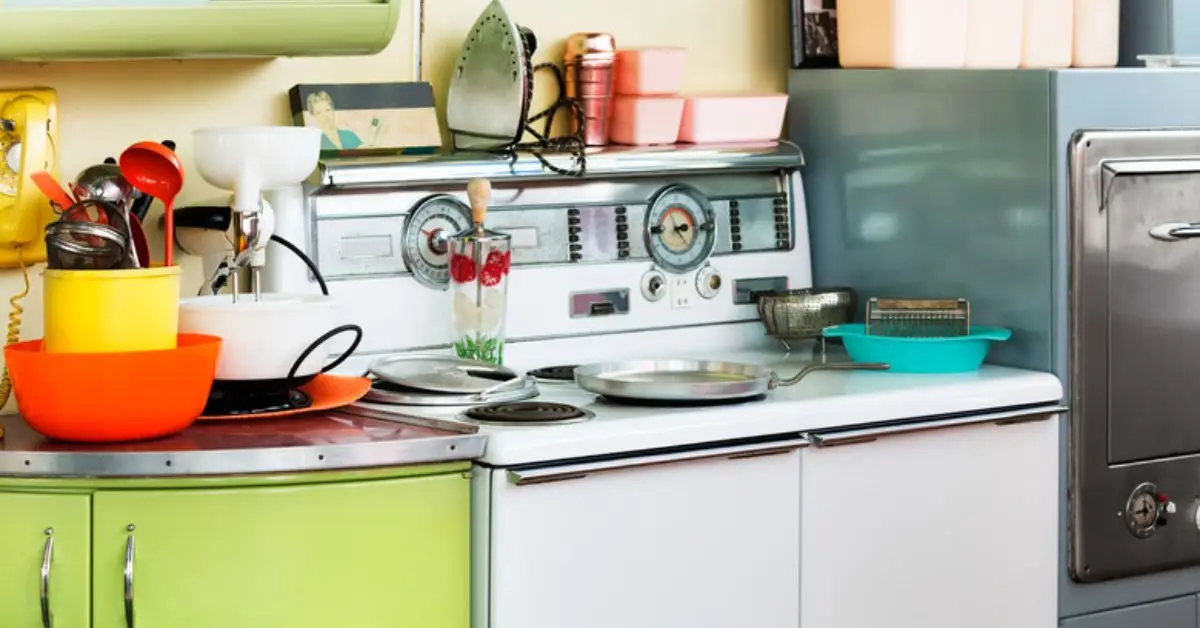
If I’m honest, cluttered kitchens usually come from good intentions—not bad habits. You buy a gadget because it promises to save time, make cooking easier, or solve one small problem. In that moment, it feels like a smart choice.
The issue shows up later.
Over time, I see the same patterns repeat in almost every crowded kitchen:
- Impulse buys that looked useful in the store or online
- One-time or seasonal tools bought for a specific recipe or occasion
- Trend-driven gadgets inspired by social media, not daily cooking
- Duplicate tools that do the same job as something you already own
On their own, none of these feel like a problem. Together, they create friction. You open a drawer and have to move things around just to reach what you actually use. Cooking starts to feel annoying before you even begin.
That’s why professional organizers are so strict about what they keep. In fact, articles like the one from House Beautiful on what professional organizers never do in their own homes show that they actively avoid holding on to items that seem useful but don’t earn their space in everyday life.
If your kitchen feels busy but not efficient, it’s usually because too many low-value gadgets are competing for space and attention.
How Professional Organizers Decide What to Keep or Toss
When I look at a kitchen through a professional organizer’s lens, I’m not asking, “Could this be useful someday?” I’m asking something much simpler: Does this make your daily cooking easier right now? If the answer is no, the item is already on the chopping block.
Here’s the exact framework organizers use—and how you can use it too:
- Frequency of use: If you haven’t used it in the last month, or you can’t clearly remember the last time you did, it’s probably not essential.
- Storage demand vs. utility: A gadget that takes up a full drawer but replaces a basic hand movement rarely deserves the space.
- Ease of cleaning and storing: If something is annoying to wash or put away, you’ll avoid using it—even if it technically works.
- Emotional value vs. functional value: Sentimental items matter, but they don’t belong in prime, everyday kitchen storage.
What I like about this approach is that it’s practical, not extreme. You’re not decluttering to be minimalist. You’re decluttering so your kitchen works with you instead of against you.
As you move into the list, keep this question in mind: which gadgets in your kitchen actually support how you cook today—and which ones are just taking up space out of habit?
The 8 Kitchen Gadgets to Declutter (and Why)
This is the part where most people expect a simple “throw this out” list. That’s not how professional organizers think. When I help someone declutter a kitchen, the goal isn’t fewer tools—it’s fewer obstacles. Every gadget below earns its spot on this list because it adds friction, not value.
You don’t need to agree with every item. You just need to notice which ones quietly make your kitchen harder to use.
1. Single-Purpose Choppers
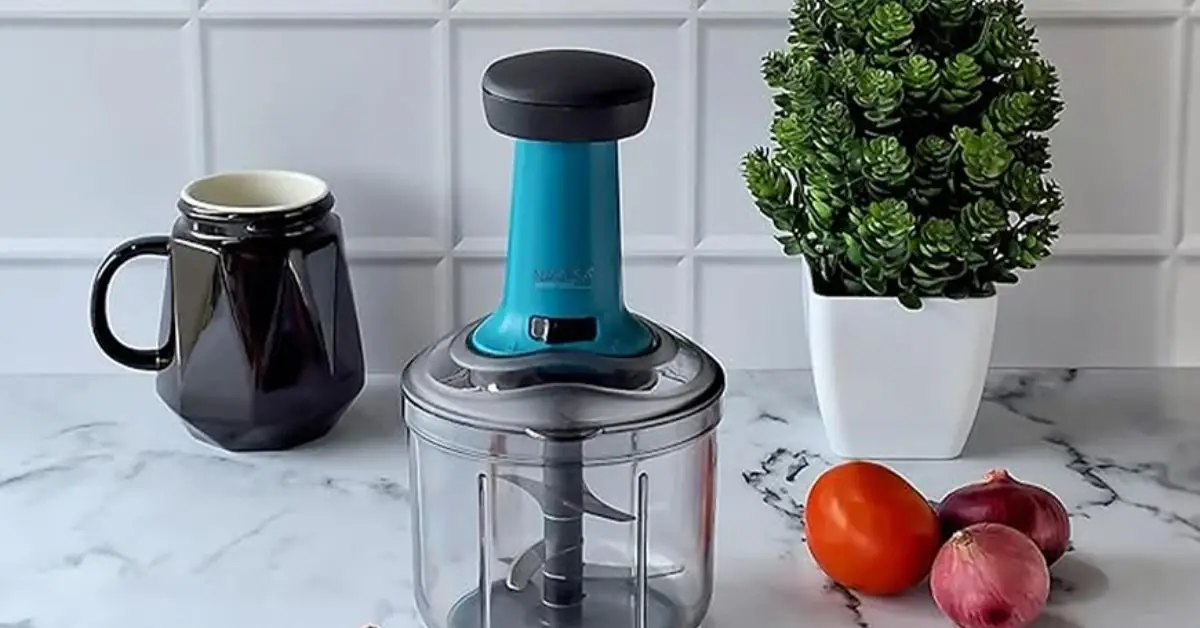
These usually feel like a win at first. Chop onions faster, less mess, less effort. Then they end up buried in a drawer.
Professional organizers dislike them because they:
- Take up more space than they’re worth
- Duplicate what a basic knife already does
- Add extra parts to clean and store
Better alternative: A sharp chef’s knife and a sturdy cutting board. Faster, easier to clean, and far more flexible.
2. Egg Separators and Other Single-Use Tools
Most kitchens have at least one tool that does exactly one thing. Egg separators are a classic example.
Organizers recommend removing them because:
- They’re rarely used
- They’re easy to replace with a simple hand technique
- They clutter drawers with low-frequency items
Better alternative: Use the eggshell or your hand to separate yolks—no extra tool required.
3. Countertop Electric Can Openers
These often live permanently on the counter, even if they’re used once a week—or less.
Why organizers let them go:
- They take up valuable counter space
- They do the same job as a compact manual opener
- They visually add to kitchen clutter
Better alternative: A slim, handheld manual can opener stored in a drawer.
4. Avocado Slicers and Specialized Fruit Tools
These gadgets usually come from good intentions and social media inspiration.
Organizers don’t love them because:
- They solve a very small problem
- They’re awkward to store
- They’re often forgotten after the novelty wears off
Better alternative: A regular knife and spoon—tools you already reach for daily.
5. Butter Spreaders with Built-In Storage
Anything with “built-in storage” tends to sound smarter than it is.
Why professionals recommend decluttering them:
- More parts mean more cleaning
- They’re niche tools with limited use
- They take up space without saving time
Better alternative: A standard butter knife and a butter dish you already own.
6. Corn Strippers
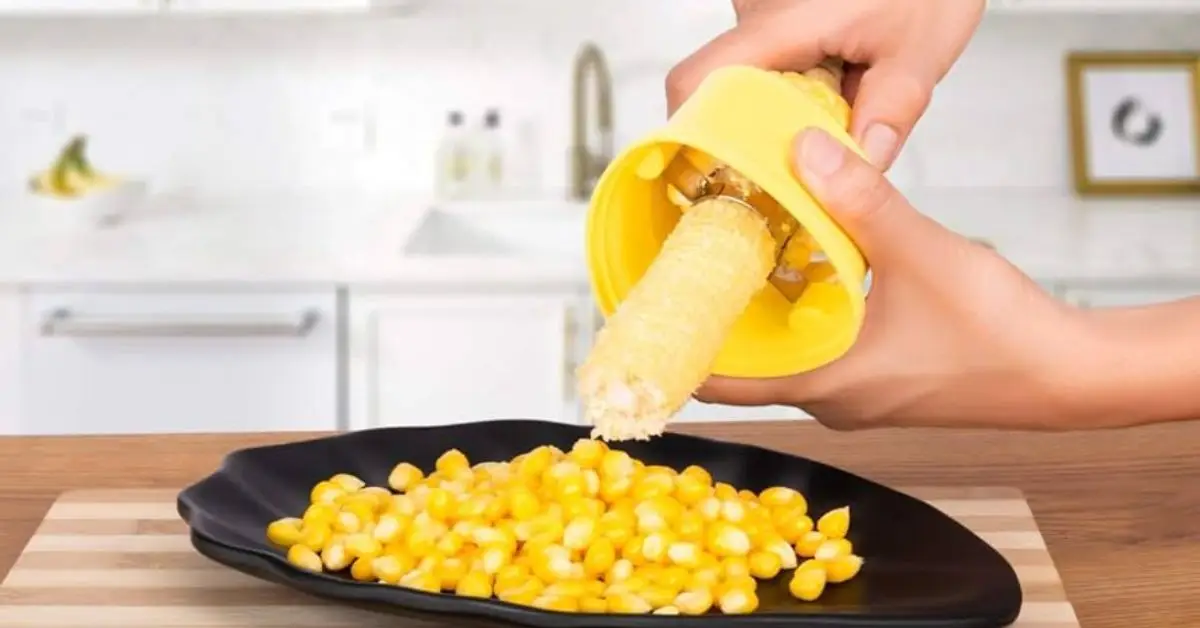
This is a classic seasonal gadget. Useful once or twice a year, stored forever.
Organizers remove them because:
- They’re bulky for how rarely they’re used
- They add permanent clutter for occasional meals
Better alternative: Use a knife to cut kernels directly off the cob when needed.
7. Bag Sealers and Extra Clip Gadgets
These often pile up without you realizing it.
Why organizers flag them:
- They duplicate what bag clips already do
- They multiply quickly
- They rarely improve food storage meaningfully
Better alternative: A few sturdy bag clips—or just fold and store properly.
8. Countertop Electric Salt and Pepper Grinders
They look sleek, but functionally, they’re often overkill.
Professional organizers avoid them because:
- They occupy constant counter space
- They require charging or batteries
- They don’t offer much advantage over manual versions
Better alternative: Compact manual grinders stored in a drawer or cabinet.
What’s interesting is that many professional organizers openly admit they avoid owning these types of gadgets themselves. Publications like Good Housekeeping, which regularly interviews organizers about what they don’t keep in their own homes, highlight this same pattern—tools that seem helpful but don’t justify their space long-term.
As you read through this list, don’t focus on what should go. Focus on what’s actually slowing you down. Which of these gadgets do you own—and when was the last time you truly needed it?
Quick Checklist: Are You Ready to Let Go?
Before you start tossing gadgets, it helps to pause and ask yourself some honest questions. I’ve learned that most clutter sticks around not because it’s useful, but because we never take a moment to evaluate it properly.
For each tool you’re unsure about, walk through this quick checklist:
- Have you used it in the last 6 months? If the answer feels like a shrug or a guess, it’s likely not essential.
- Does it serve a primary function? Tools that only work for one narrow task tend to sit unused.
- Does it take more space than value? If storing it feels harder than using it, it’s costing you more than it’s worth.
- Would you buy it again today? This simple question cuts through sentiment and habit fast.
Organizers use versions of this checklist all the time. They’re not about blind decluttering—they’re about eliminating the invisible friction in your kitchen.
Smart Storage Alternatives (Not Just Tossing)
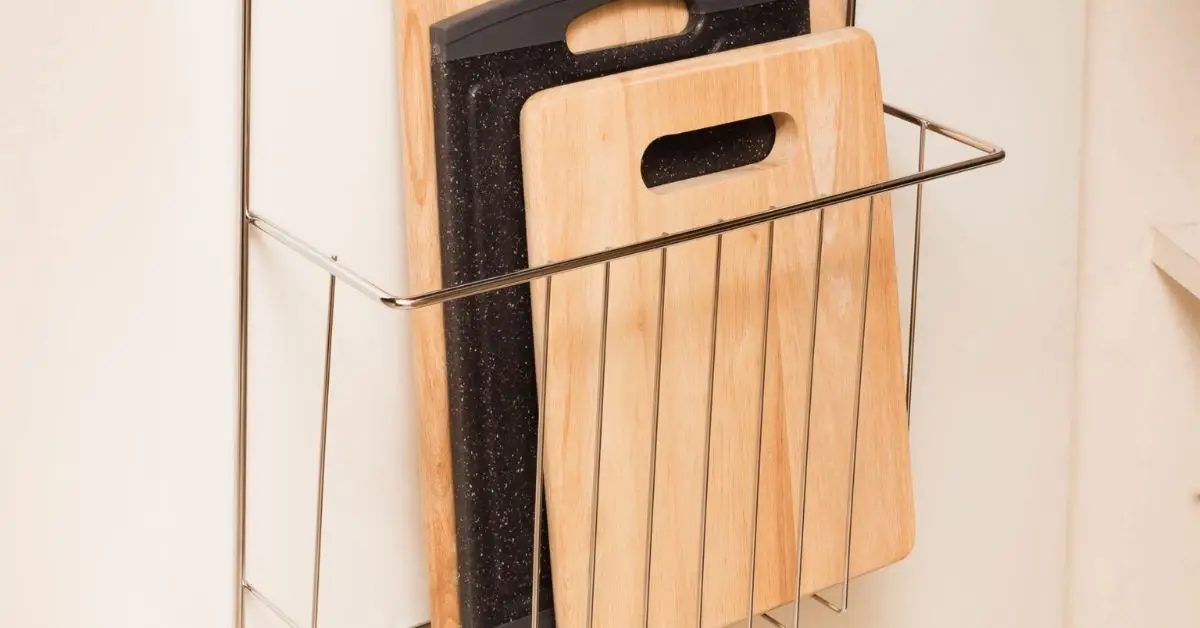
Letting go is only part of the change. What really makes a kitchen feel calm and usable is how you store the tools you keep.
Here are three organizer-approved storage ideas that make a real difference:
- Vertical Storage: Stand cutting boards, baking sheets, and lids upright instead of stacking them. This makes everything visible and easy to grab without shifting a pile.
- Magnetic Strips: Mount magnetic strips on walls for knives, metal utensils, or spice tins. These take items off counters and drawers and keep them right where you need them.
- Drawer Dividers: Simple dividers stop gadgets from becoming a tangled mess. When every tool has a defined slot, you instinctively put it back the right way. Once excess gadgets are gone, it becomes much easier to focus on tools that actually make upkeep simpler, which is why many homeowners shift their attention to practical solutions like the ones shared in 8 kitchen cleaning tools that actually tackle the hardest messes.
These practical storage strategies aren’t just about space—they’re about reducing the little frustrations that add up day after day. In fact, reporting like this piece on how pro organizers share habits that improve home efficiency highlights how thoughtful systems—decluttering plus smart storage—can transform how a kitchen feels.
A kitchen that works with you rather than against you changes the way you cook, live, and start your day.
Before we move on—what’s one area in your kitchen that always feels messy, no matter how many times you clean it?
Common Mistakes People Make When Decluttering Kitchen Gadgets
I see people make the same mistakes over and over—and none of them come from laziness. They come from hesitation. Decluttering feels final, so it’s easy to stall halfway and call it progress.
Here are the most common traps that keep kitchens cluttered even after a “cleanout”:
- Keeping duplicates “just in case”: One extra spatula turns into three. One backup gadget turns into a drawer full of backups. That “just in case” moment rarely arrives, but the clutter stays every day.
- Buying trendy tools without a real need: A gadget looks smart online, promises speed, and feels like an upgrade. But if it doesn’t match how you cook, it quickly becomes dead weight.
- Storing instead of letting go: Moving gadgets to a different cabinet or box isn’t decluttering—it’s delaying. What often surprises people is that clutter doesn’t just affect daily cooking—it also shapes how others experience your space, and some everyday habits linked to overcrowded kitchens can quietly turn guests off, as explained in 7 kitchen habits that quietly gross out your guests, according to hosting experts. If something already doesn’t earn space in your kitchen, it won’t magically earn it later.
- Decluttering emotionally, not practically: Liking a gadget isn’t the same as using it. Professional organizers focus on function first, feelings second—and that’s why their systems last.
If decluttering hasn’t worked for you before, it’s usually because one of these mistakes slipped in quietly.
Next Steps
Now that you know what to remove and how to think about it, don’t stop here. A little structure will help you turn insight into action.
Here’s what I recommend you do next:
- Audit your kitchen one zone at a time: Start with a single drawer or cabinet. Don’t do everything at once—momentum matters more than speed.
- Use a simple declutter worksheet: A checklist keeps decisions objective and prevents second-guessing.
- Reset storage for what stays: Once clutter is gone, assign clear homes to the tools you actually use. This is what prevents clutter from coming back.
And now I want to hear from you.
Which kitchen gadget do you know you should let go of—but haven’t yet?
Drop it in the comments. Chances are, someone else is holding onto the exact same thing.
If you found this helpful, explore more practical, no-fluff home improvement and organization guides on Build Like New—everything there is designed to help your space actually work for you.
Disclaimer: This article is based on general organizing principles and professional insights. Decluttering decisions can vary depending on personal cooking habits, space, and lifestyle. Always keep items that are genuinely useful or necessary for your specific needs.