Stop! Don’t Bring These 12 Kitchen Items Home From Thrift Stores
I’ve spent years rummaging through thrift shops and estate sales, hunting for kitchen treasures. And let me tell you, some finds are absolute gems—but others can quietly turn your kitchen into a headache waiting to happen. You might be tempted by shiny pots, retro gadgets, or a cast‑iron skillet that looks “perfect,” but not everything is safe, hygienic, or worth your money.
In this guide, I’m going to walk you through the 12 kitchen items I personally avoid buying secondhand. I’ll explain why each one is risky, share practical tips to spot hidden problems, and even highlight a few exceptions where a used item might actually be worth grabbing. By the time you finish reading, you’ll know exactly what to skip on your next thrift shop run—and save yourself from regret, wasted cash, and potential health hazards.
How to Think About Secondhand Kitchen Shopping
Understanding Safety vs Style
When you’re browsing thrift stores, it’s easy to get drawn to items that look perfect on the shelf. I get it—I’ve been there. A shiny pan or a beautifully carved wooden bowl can make you feel like you’re scoring a deal. But here’s the thing: just because it looks good doesn’t mean it’s safe.
Some things are genuinely cheaper and even sustainable to buy used. Others, though, come with hidden hygiene or structural risks that aren’t worth the savings. To help you decide, I usually ask myself these questions:
- Is this item scratched, chipped, or rusty?
- Can I be confident it’s free from bacteria or toxins?
- Will it last long enough to make the purchase worth it?
Answering these honestly helps you separate the real treasures from the potential disasters.
Cleaning and Sanitation Considerations
Even if an item looks clean, some things just don’t respond to scrubbing. I’ve learned the hard way that porosity, rust, and hidden bacteria can linger where you can’t see them. Here’s what I keep in mind:
- Porous materials: Wood, ceramic, or older plastic can trap bacteria.
- Rust: Even small spots on cast iron or metal utensils can be a red flag.
- Electric appliances: Internal components may hide damage you can’t clean.
If you want a deeper dive on what makes certain cookware unsafe, I trust MedlinePlus on food safety for practical guidance—you’ll see exactly which risks are hard to remove even with thorough cleaning.
By thinking through safety first, you’ll save yourself time, money, and a lot of frustration before you even put anything in your cart.
The 12 Kitchen Items You Shouldn’t Buy Secondhand
blademan175
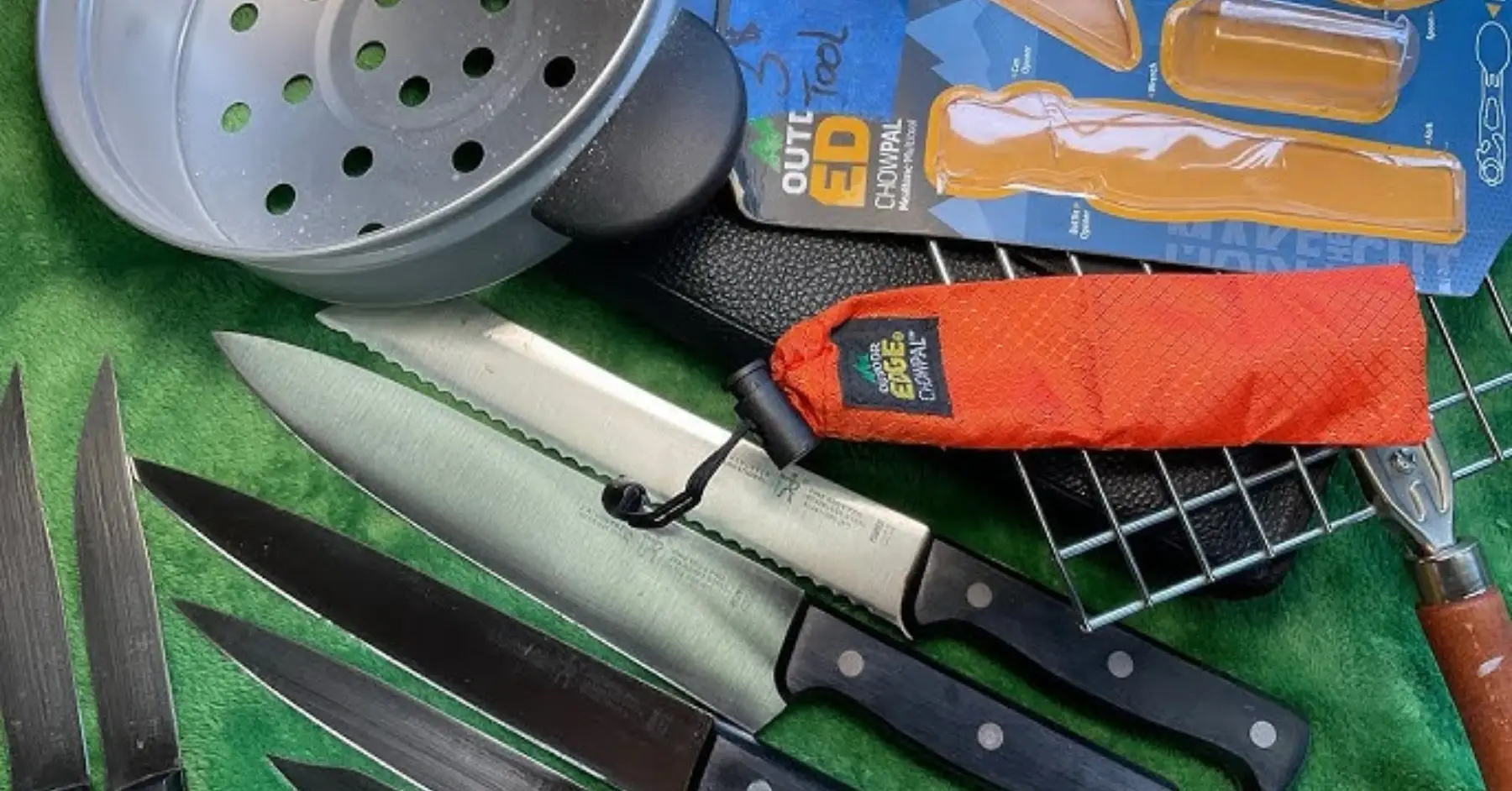
1. Knives Without Brand or Sharpness Information
I’ve learned the hard way that a knife that looks sharp on the shelf isn’t always what it seems. Dull or cheap knives can slip, chip, or break while you’re cooking. When a brand is missing or the steel quality is unknown, it’s usually safer to pass.
Quick tips:
- Test the blade gently for stability.
- Avoid any knife that wobbles in the handle.
2. Cutting Boards Without Material Clarity
Cutting boards might seem harmless, but unknown plastic or wood can hide bacteria deep inside. I always look for clear labeling or buy secondhand boards only if I can confirm the material and it’s in excellent condition.
Why I skip some boards:
- Scratches trap bacteria.
- Soft wood or cheap plastic can’t be fully sanitized.
3. Cast Iron with Rust or Missing Finish
Cast iron is a dream if it’s seasoned right, but thrifted rust can be tricky. Restoring badly rusted pieces is time-consuming, and sometimes the metal underneath is compromised.
Red flags:
- Deep rust spots.
- Uneven or missing seasoning.
4. Non‑Stick Pans with Worn Coating
Scratched or peeling non-stick pans are a no-go. Teflon flakes or worn coatings can leach harmful chemicals into your food.
My check-list:
- Look for scratches, bubbles, or discoloration.
- Avoid old pans that have lost most of their coating.
For a clear guide on chemical safety in cookware, I often reference Healthline’s article on nonstick pan safety — it explains the risks of worn coatings and what to watch for.
5. Plastic Items That Are Scratched or Faded
Scratched plastics aren’t just ugly—they can harbor bacteria and leach chemicals into your food. I usually avoid faded containers or utensils that feel brittle.
Practical takeaway:
- If the plastic feels rough, it’s likely unsafe.
- Opt for items with intact labels or BPA-free markings when possible.
6. Pressure Cookers with Missing Parts
Pressure cookers are tricky. Even one missing valve or gasket can turn a cooking session into a real hazard. I never buy one unless I can confirm all safety parts are intact and working.
Pro tip: Test the locking mechanism before you even consider bringing it home.
7. Electric Appliances Without Warranty or History
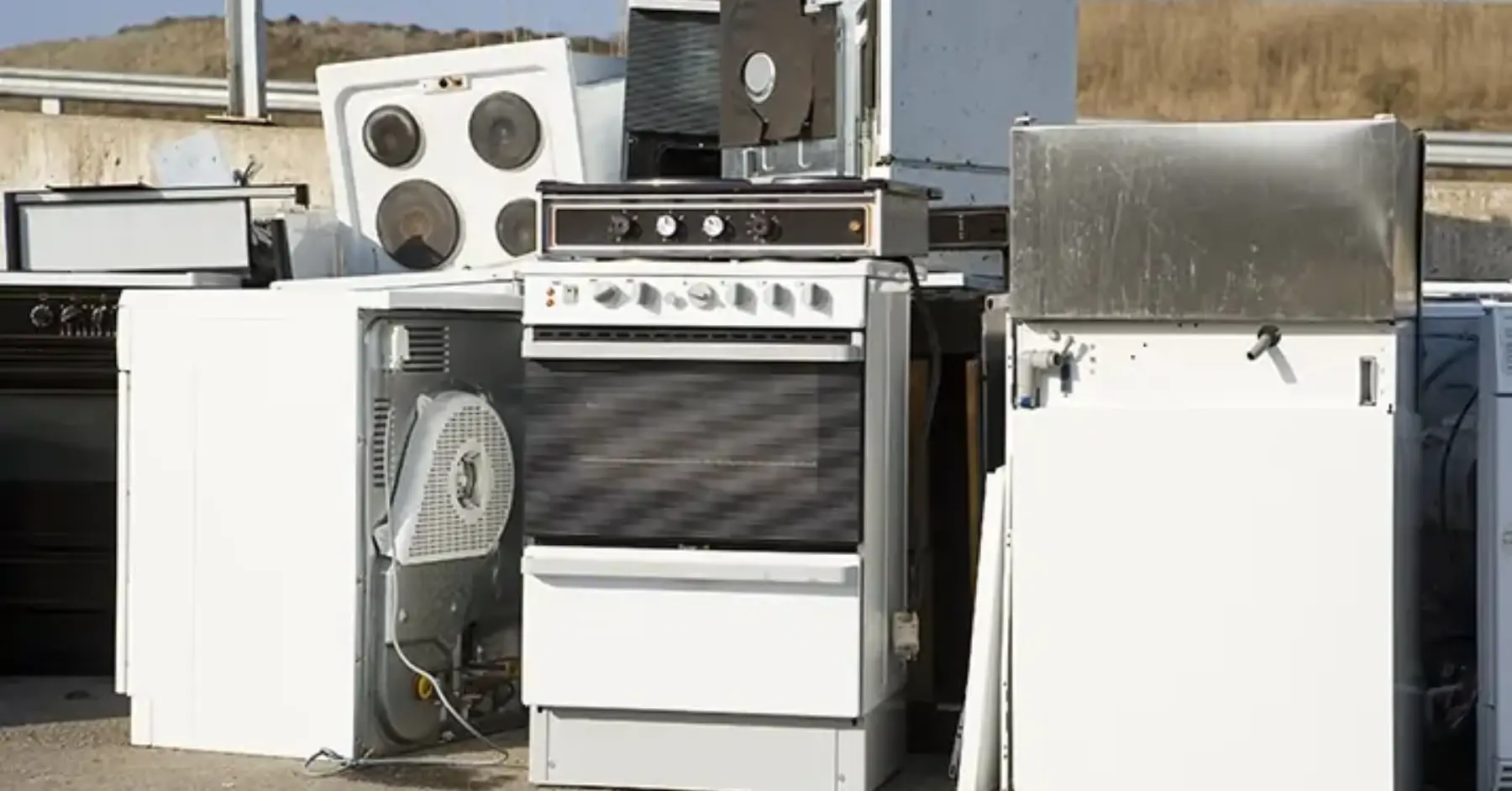
Blenders, mixers, and coffee makers might look great, but I avoid them if there’s no way to know their history. Older wiring, worn motors, or unknown repairs can be dangerous.
My rule: Only consider items you can test safely, or that have documented reliability.
8. Glassware with Chips or Cracks
Even a tiny chip in a glass or mug can cause cuts or break under heat. I inspect each piece carefully, tapping it and checking for hairline cracks.
Extra tip: Trusted brands often include optical clarity data, which can help you judge if a piece is structurally sound.
9. Thermometers and Timers Without Calibration
Accurate readings matter when cooking meat or baking. Old thermometers or timers can be wildly off, so I tend to skip anything without calibration info.
Reference for safety: The FDA provides clear guidelines on food thermometer accuracy, which I always check before trusting a used one.
10. Antique Ceramic or Porcelain with Lead Glaze
Vintage ceramics are beautiful, but anything made before 1970 could contain lead. I usually steer clear unless I can confirm the piece was lead-free or tested.
Why it matters: Lead can leach into food, and once it does, there’s no safe way to reverse it. That said, not every old kitchen item is worthless. Some vintage pieces are genuinely valuable if you know what you’re looking at. I broke this down in 7 Valuable Antiques You Should Think Twice Before Passing Up, so you don’t accidentally toss aside something special while trying to stay cautious.
11. Wooden Bowls and Utensils Without Finish Info
Wood can be porous, absorbing bacteria and oils over time. I only buy secondhand wooden utensils if I know the finish is food-safe and intact.
Practical check: Smell the wood and look for cracks—if it smells musty or feels dry and rough, pass.
12. Food Storage Containers Without Air‑Tight Seals
Air-tight seals wear out with age. I’ve had containers that looked fine but let air in, spoiling leftovers. Always check lids and gaskets carefully before buying.
My tip: If the seal feels loose or the lid warped, it’s not worth the risk.
How to Evaluate Used Kitchen Gear Before You Buy
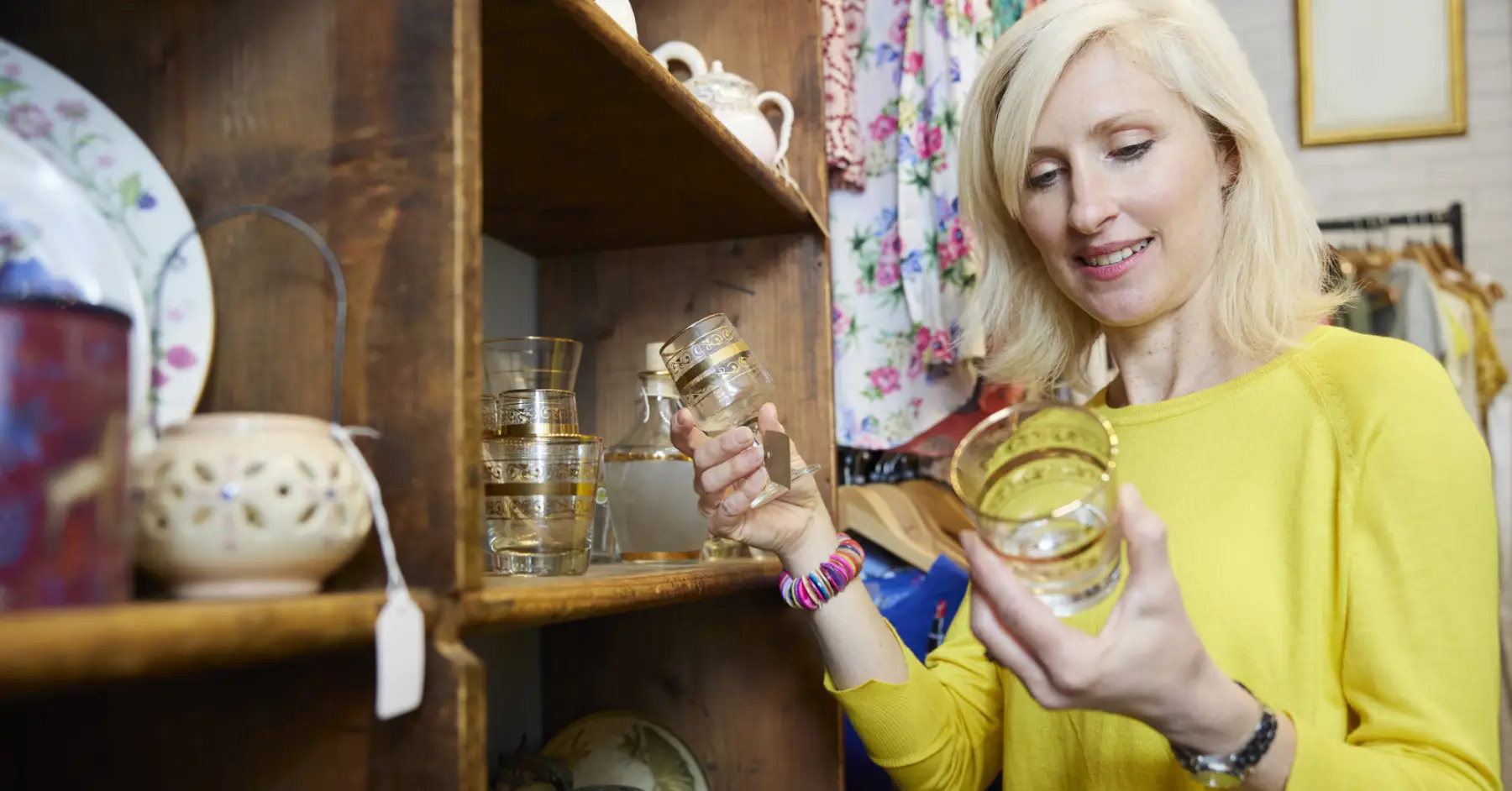
I don’t walk into a thrift shop hoping for luck anymore — I walk in with a system. If you slow down and check a few key things, you’ll avoid most of the regret buys people complain about later.
Most articles just tell you what not to buy. Very few show you how to actually inspect something in the store. That’s where you protect your money and your health.
Checklist for In-Store Inspection
When I pick something up, I mentally run through this list before it ever goes into my cart:
• Smell: Yes, literally smell it. Musty wood, metallic rust, or sour plastic tells you more than the price tag. Odors trapped in porous materials don’t come out with a wipe.
• Surface Condition: Run your fingers over it. Look for:
- Deep scratches
- Chips or cracks
- Peeling coating
- Pitting in metal
If the surface is compromised, cleaning won’t fix structural damage.
• Brand Labels: I look for reputable brands. No label or faded markings usually mean unknown quality. With kitchen gear, brand often signals material safety and durability — something experts caution about when considering secondhand items.
• Safety Features: Especially on pressure cookers and appliances. Check:
- Gaskets
- Locking lids
- Valves
- Grounded plugs
If a safety part is missing, I walk away. No discount is worth a kitchen accident.
For a concrete expert perspective on which kitchen items professionals never recommend buying used — and why — I often refer to Fox News’ coverage on secondhand kitchen risks.
Quick Tests You Can Do in Minutes
You don’t need tools. Just pay attention.
• Tap Glassware: Lightly tap the rim with your finger. A clear ringing sound usually signals intact structure. A dull thud can mean hidden cracks.
• Test Blade Stability: Hold the knife and gently wiggle the blade at the handle. If there’s movement, that’s a safety risk. I never gamble on loose blades.
• Plug-In Check for Electric Items: If the store allows it, plug it in. Listen for unusual noises, burning smells, or inconsistent power. If you can’t test it, assume the risk is yours.
These quick checks take less than five minutes. But they can save you from returns, frustration, and safety issues once you get home.
Safe Secondhand Kitchen Items Worth Buying
I don’t believe in fear-based shopping. Not everything at a thrift store is risky. In fact, some items are smarter to buy used — if you know what you’re looking for.
Most articles stop at “don’t buy this.” But you also want to know what’s actually worth grabbing. That balance matters.
High-Quality Stainless Steel Pots
If I find a heavy, well-known stainless steel pot in good condition, I’m interested. Stainless steel doesn’t chip like non-stick, doesn’t absorb bacteria like wood, and holds up for years.
Here’s what I check:
- No deep pitting inside
- Flat base (no warping)
- Tight, secure handles
High-end stainless cookware can last decades. In thrift-flipping communities, people often resell quality stainless brands for strong margins because durability stays intact. That tells you something.
If it’s structurally solid, stainless steel is one of the safest secondhand bets.
Solid Wood Utensils in Good Condition
Wood isn’t automatically bad. Damaged wood is.
I’ll consider a wooden spoon or spatula if:
- There are no cracks
- The surface is smooth, not splintered
- It doesn’t smell musty
You can lightly sand and re-oil solid wood if it’s structurally healthy. But if it’s dry, deeply grooved, or stained, I skip it.
The key is knowing the difference between “aged” and “worn out.”
Good Glass Storage with Lid
Glass is one of my favorite thrift finds.
Unlike plastic, it doesn’t leach chemicals. Unlike metal, it doesn’t rust. If the container and lid are intact, you’re usually safe.
I check for:
- Hairline cracks
- Chips along the rim
- Warped or loose lids
If the seal is tight and the glass rings clean when tapped, it’s often a solid buy.
Common Misconceptions About Thrifted Kitchen Items
I’ve heard all of these. Maybe you have too.
Let’s clear them up.
“Everything is sanitizeable.”
No, it’s not.
Deep scratches in plastic, porous wood with old moisture damage, and worn non-stick coatings can’t be restored with soap and hot water. Some materials trap bacteria or degrade chemically over time.
If structural integrity is gone, cleaning won’t fix it.
“Old = better.”
Sometimes older cookware was built heavier. That’s true.
But older also means:
- Possible lead glaze
- Outdated materials
- Worn safety mechanisms
Age alone isn’t quality. Condition and material matter more.
“If it’s cheap, it’s worth it.”
This one gets people.
A $4 blender that fails in two weeks isn’t cheap — it’s wasted money. A $6 pan that flakes into your food isn’t a deal. Sometimes we rush decisions when something looks affordable — and regret follows. I’ve seen the same pattern when homeowners donate items too quickly and later wish they hadn’t, which is why I shared real examples in 6 Things Homeowners Often Donate and Wish They Hadn’t.
I always ask myself: Would I pay this price if I knew it only lasted a year?
If the answer is no, I walk away.
Quick Safety Recap Before You Checkout
If you remember nothing else, remember this:
- No cracks, chips, or deep scratches
- No peeling coatings
- No missing safety parts
- No strong odors
- Only buy materials you understand
If you feel unsure, that’s your signal. Put it back.
I use the same filter professional organizers rely on — if something adds clutter, risk, or doubt, it doesn’t earn a spot in my home. I explain that mindset more clearly in 6 Items Professional Organizers Never Keep (Always Donate).
You don’t need everything in the store. You only need the right things.
Before I wrap up — I’m curious.
Have you ever bought a thrifted kitchen item that turned out to be a mistake? Or did you score something amazing?
Drop your experience in the comments. It might save someone else from making the same call.
And if you want more practical, no-nonsense home advice like this, check out Build Like New — where I break down real-world home decisions without hype or fluff.
Disclaimer: This article is for general informational purposes only. I’m sharing practical guidance based on research and experience, but it’s not a substitute for professional health or safety advice. Always inspect items carefully and consult a qualified expert if you’re unsure about a product’s safety.