6 Items to Remove From Your Dresser Before Your Next Closet Crisis
I don’t know about you, but every time I open my dresser, I feel a mix of frustration and guilt. Clothes are spilling over, drawers are crammed, and somehow, I still can’t find the shirt I actually want to wear. If this sounds familiar, you’re not alone. Over the years, I’ve learned that decluttering your dresser isn’t just about making space—it’s about clearing mental clutter too.
In the next few minutes, I’ll show you six types of items sitting in your dresser right now that you can toss immediately, so you can finally open your drawers without feeling overwhelmed. By the end, you’ll not only have instant space but also a sense of calm that makes getting ready in the morning feel effortless.
Why Decluttering Your Dresser Matters Before Anything Else
I’ll be honest—there’s something about opening a jam-packed dresser that just drains your energy. You can spend five minutes searching for a single shirt and come out feeling frustrated before your day even begins. That’s because excess items in your dresser don’t just take up space—they add mental clutter and decision fatigue.
When I started decluttering my own dresser, I noticed that even small changes made mornings easier and less stressful. You don’t need to overhaul your entire wardrobe to feel the difference. Removing just a few unnecessary items can give your drawers—and your mind—room to breathe.
Here’s why it really matters:
- Saves time every morning – no more digging through piles to find your favorite tee.
- Reduces stress – seeing organized drawers makes getting dressed feel effortless.
- Gives instant results – even tossing 5–10 items makes the space feel bigger immediately.
- Boosts mindfulness – you start noticing what you actually wear versus what’s just sitting there.
If you’re curious about expert-backed tips on how to tackle dresser clutter efficiently, I found a practical guide from Good Housekeeping that really helped me refine my approach without overthinking it.
What Counts as “Clutter” in Your Dresser
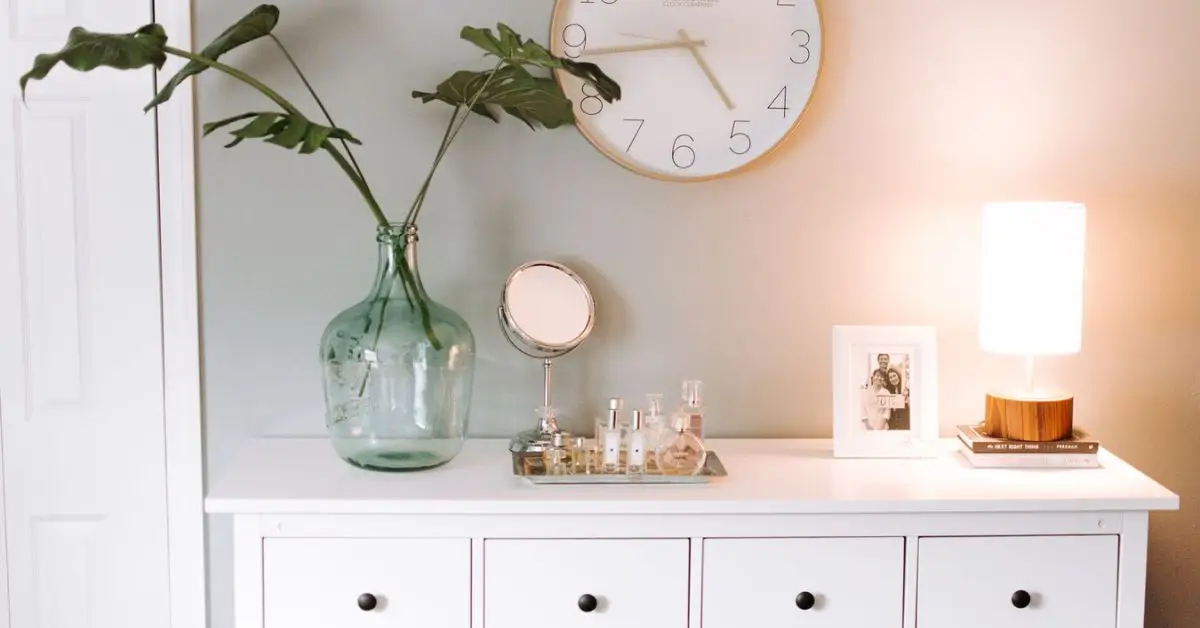
Before you start tossing things, let’s be clear about what actually counts as clutter. I’ve learned that the stuff that seems harmless can quietly weigh you down. In my experience, clutter usually falls into one of these categories:
- Unworn items – anything you haven’t touched in over a year.
- Damaged or worn-out pieces – think stretched socks, stained tops, or broken buttons.
- Out-of-style or misfit items – those clothes that don’t match your current lifestyle.
- Random non-clothing items – receipts, pens, and old knick-knacks that sneak into drawers.
What makes dresser clutter different from closet clutter is that it affects everyday essentials—the things you need at your fingertips daily. Closets might hold seasonal pieces or hanging garments, but the dresser is where decision fatigue hits first. By knowing what qualifies as clutter, you can quickly spot what needs to go and what’s worth keeping.
Item 1 — Clothes That Don’t Fit You Right Now
Let’s start with the most obvious but often overlooked culprit: clothes that don’t fit. I’ve held onto jeans or tops thinking “I’ll squeeze into these someday,” but that day rarely comes. Experts agree that anything that doesn’t fit should go—no exceptions.
Here’s why removing them matters:
- Instant visual relief – your drawers feel less crowded immediately.
- Better usability – you can see and reach what you actually wear.
- Less morning frustration – no more tugging at tight clothes or staring at items you’ll never use.
Item 2 — Pieces You Haven’t Worn in Over a Year
Next, let’s talk about items that have been sitting untouched for more than a year. I once kept shirts I liked but never wore—and they were just taking up space. Wardrobe pros call this the “year rule”: if you haven’t touched it in 12 months, it’s unlikely to make a comeback.
Quick decision framework:
- Tops: not worn in 12 months → donate
- Socks/underwear: extras beyond your laundry cycle → toss
- Pajamas/lounge wear: if unused → consider giving away
This approach clears out underused items while keeping what you really need.
Item 3 — Worn‑Out or Damaged Clothing
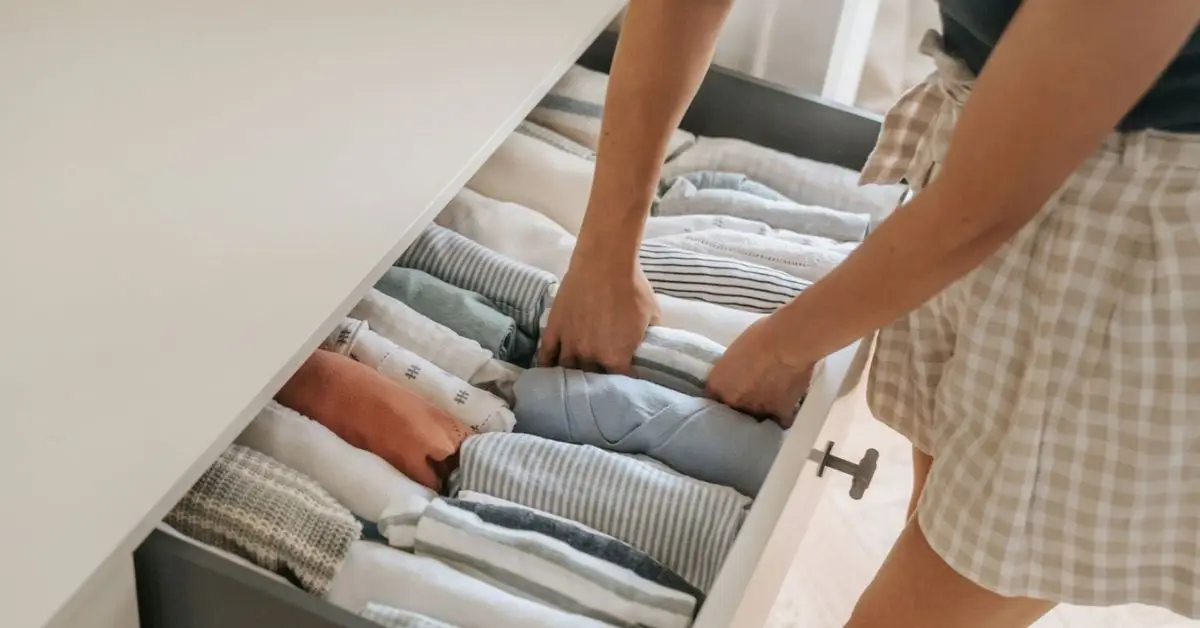
I’ll be real: most of us keep clothing that’s past its prime. Holey socks, stretched-out tees, or stained shirts sneakily clutter drawers. Letting go of these items isn’t just about space—it immediately makes your daily routine easier.
Benefits of tossing worn-out pieces:
- Fresher, cleaner drawers
- Less decision-making in the morning
- A subtle confidence boost when everything you wear looks and feels good
Item 4 — “Identity” Clothing You No Longer Wear
This one hits deeper. Some clothes represent who we used to be—a past job, lifestyle, or hobby—and yet we keep them “just in case.” I’ve found that holding onto these items adds invisible mental clutter. Reddit users and minimalism enthusiasts often call them “just in case” pieces, and they rarely get used.
Why this matters:
- Frees up space for items you actually use
- Reduces mental load of keeping things “for later”
- Helps you align your wardrobe with your current lifestyle
For expert insight on why these items weigh you down psychologically, Homes & Gardens has a great article on how minimalists tackle identity clothing effectively.
Item 5 — Excess Basics and Duplicates
One thing I’ve noticed in my own dresser is that we often keep way more of the same basics than we actually need. Extra t-shirts, socks, or underwear take up space without adding value.
Here’s a simple rule I use:
- Keep what’s typical for one laundry cycle – anything beyond that can be donated or stored elsewhere.
- T-shirts: keep 7–10 depending on laundry frequency
- Socks/underwear: keep enough for a week or laundry cycle
- Accessories: remove duplicates you never wear
The result? Drawer space instantly opens up, and you can finally see and reach everything you actually use.
Item 6 — Non‑Clothing Stuff That Sneaks Into Your Dresser
Drawers don’t just hold clothes—they become storage magnets for all kinds of random stuff. Loose change, pens, receipts, and forgotten accessories pile up faster than you realize. I’ve learned that clearing these out makes a huge difference in functionality.
Why it matters:
- Keeps the dresser truly functional for clothing
- Prevents small items from hiding or getting lost
- Makes mornings smoother since everything has a place
For practical tips on tackling these sneaky clutter items, I found Declutter in Minutes really helpful—it’s full of step-by-step strategies that actually work.
Simple Tools and Mini‑Routines to Make It Easy
Decluttering doesn’t have to be overwhelming. I like quick, bite-sized routines that fit into my evenings or weekends.
- Bite-size purge: remove 5 items tonight, repeat tomorrow
- Donation bag near dresser: anything you decide to let go goes straight in
- Drawer-by-drawer approach: tackle one drawer at a time to see results quickly
Social media organizers often suggest these small, consistent habits, and I’ve found them much easier to stick with than full-day marathons of decluttering. If you want a quick, repeatable routine for keeping your dresser (and home) clutter-free, I’ve found the 10-10 Decluttering Method works like a charm—five minutes here, five minutes there, and your space stays organized effortlessly.
Optional Side Section: Mistakes People Make When Decluttering a Dresser
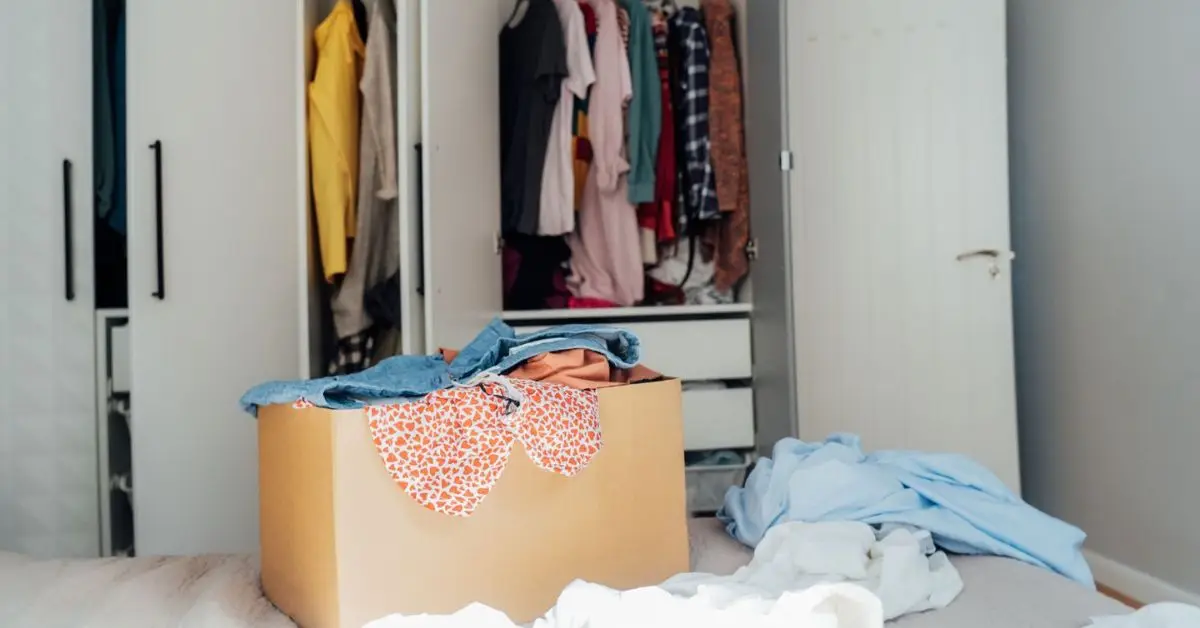
Even when you know what to toss, it’s easy to make mistakes. I’ve fallen into these traps more than once:
- Holding onto sentimental/unworn items: just because it reminds you of something doesn’t mean it belongs in your daily drawers
- Misusing the dresser top for random storage: clutter on top defeats the purpose of cleared drawers
Avoiding these mistakes ensures the effort you put into decluttering actually lasts. To make sure your efforts actually last, you might also find this article on 5 decluttering mistakes professional organizers say you must stop making helpful—it covers common pitfalls that can sneak in even when you’re being careful.
How to Dispose of Items Responsibly
Once you’ve pulled out the items you no longer need, the next step is to handle them responsibly. I know the anxiety—sometimes you wonder, “Am I wasting perfectly good clothes?” Here’s what works for me:
- Donation: Local charities or shelters are always looking for gently used clothing. It feels good knowing someone else can benefit.
- Resale: Platforms like Poshmark or ThredUp let you sell higher-quality pieces. Even small earnings make decluttering rewarding.
- Textile recycling: For worn-out clothing that can’t be donated, check recycling programs in your area—some stores accept old fabrics.
Reddit users often share relief after learning that these items find new life rather than ending up in the trash. If you’re preparing for a big life change or just want to declutter more efficiently, I also recommend checking out this guide on 3 things you must declutter before moving and what to do with them—it gives a fresh perspective on tackling even the trickiest items.
Wrapping Up
Decluttering your dresser doesn’t have to be a huge, overwhelming project. By focusing on these six types of items—clothes that don’t fit, unworn pieces, worn-out items, identity clothing, duplicates, and random non-clothing clutter—you can free up space, reduce stress, and make your mornings feel effortless.
Now it’s your turn: what’s the first item you’re going to toss tonight? Share your experience in the comments—I’d love to hear how your dresser feels after a little purge. And if you want more practical home and organization tips, check out Build Like New for step-by-step guides that actually make your space feel refreshed and functional.
Disclaimer: This article is for informational purposes only. Results may vary based on individual circumstances. Always use your own judgment when decluttering or donating items.