9 Easy Tricks Designers Use to Make Small Rooms Look Spacious
I’ve noticed something interesting over the years: two rooms can be exactly the same size, yet one feels open and relaxing while the other feels tight and cluttered. The difference usually has nothing to do with square footage. It comes down to how the space is designed.
A small room starts to feel cramped when light is blocked, furniture is too bulky, or the layout interrupts the natural flow of the space. But with the right design choices, the same room can suddenly feel brighter, wider, and far more comfortable.
The good news is you don’t need to break walls or spend thousands on renovations. Interior designers often rely on simple visual tricks — things that guide the eye, open up sightlines, and create the illusion of more space.
I’ve seen small bedrooms and living rooms transform completely just by adjusting a few elements like lighting, furniture placement, and color. The room didn’t physically grow, but it felt much bigger.
In this guide, I’m going to share 9 simple designer tips that can make your room look twice as big. Most of them are easy to try and can start making a difference the same day.
Before we jump in, think about your own space for a second.
When you walk into your room right now, does it feel open and calm — or slightly crowded and closed in?
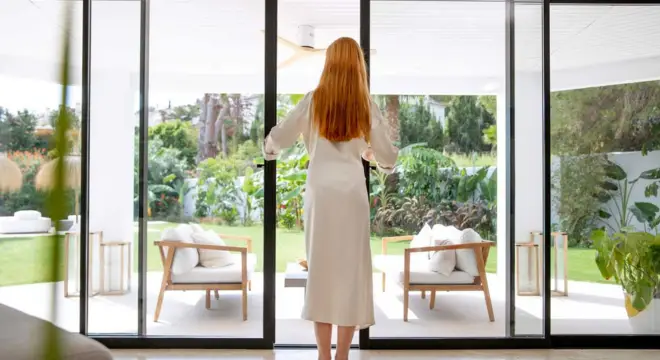
Tip #1: Let Natural Light Take Over the Room
One thing I’ve noticed while working with small spaces is this: light can completely change how a room feels.
You might have the right furniture and a decent layout, but if natural light can’t spread through the room, the space will still feel tight and closed. When sunlight reaches the walls and floor, it adds depth and makes the entire room feel more open.
This is why many interior design experts say that maximizing natural light is one of the simplest ways to make a small room look bigger, something you’ll often see explained in detail in guides like this one on how to make a small room look bigger.
Remove Heavy Curtains and Use Sheer Fabrics
Heavy curtains can look stylish, but in a small room they often block the light that makes the space feel larger.
I usually suggest switching to lighter fabrics that allow sunlight to filter through the window instead of stopping it completely.
You can try simple adjustments like:
- Using sheer curtains instead of thick drapes
- Choosing light-colored fabrics instead of dark ones
- Keeping window treatments minimal
When soft daylight passes through sheer fabric, the room instantly feels brighter and less confined.
Keep Window Areas Unblocked
Another mistake I often see is furniture placed directly in front of windows.
Even a small cabinet or chair can interrupt the flow of light and make the room feel darker.
If you want your room to feel bigger, try these small changes:
- Move tall furniture away from windows
- Avoid placing shelves or storage units near window frames
- Keep the window sill simple instead of filling it with decor
When light moves freely across the room, the space naturally feels wider and more comfortable. Keeping every corner of your room clean and uncluttered is just as important as letting light in — check out 9 surprising things you can clean in your bathroom with hydrogen peroxide for quick ways to refresh even small spaces).
Tip #2: Use Light, Consistent Colors on Walls and Ceilings
Color plays a much bigger role in room perception than most people realize.
I’ve seen small rooms feel noticeably larger just by changing the wall color. Lighter shades reflect more light, which helps the walls appear farther away rather than closing in.
That’s why designers often stick to soft and consistent colors in smaller rooms.
Soft Neutrals That Reflect Light
Dark tones absorb light and make walls feel heavier. Light colors do the opposite — they bounce light around the room.
Some shades that tend to work really well include:
- Soft white
- Warm beige
- Light gray
- Subtle pastel tones
You don’t have to make everything plain white, but staying within lighter shades helps keep the room bright and airy.
Matching the Ceiling Color to Avoid Visual Breaks
One subtle trick I often recommend is keeping the ceiling color similar to the walls.
When the ceiling is a completely different shade, it creates a strong visual boundary that can make the room feel shorter.
Instead, try:
- Painting the ceiling the same color as the walls
- Using a slightly lighter tone of the wall color
- Avoiding dark ceilings in smaller rooms
This creates a smoother visual flow, and the room starts to feel taller and more open.
Tip #3: Add Mirrors to Double the Visual Space
Mirrors are one of the oldest design tricks for small spaces — and they still work incredibly well.
Whenever I want to make a room feel bigger without changing the layout, I usually start by thinking about where a mirror could go. Mirrors reflect both light and the room itself, which creates the illusion of extra depth.
Place Mirrors Opposite Windows
Placement matters a lot with mirrors.
One of the most effective spots is directly across from a window. When sunlight hits the mirror, it spreads light across the room and brightens darker areas.
You could try placing mirrors:
- Opposite the main window
- Near natural light sources
- On walls that face open areas of the room
This small adjustment can make the room feel noticeably brighter.
Use Large Statement Mirrors Instead of Small Ones
Tiny mirrors tend to look decorative, but they don’t always change how the space feels.
Larger mirrors, however, can dramatically expand the visual space.
Some practical options include:
- A tall floor mirror leaning against a wall
- A wide mirror above a console or dresser
- A large framed mirror covering a good portion of a wall
When the mirror reflects more of the room, your eyes naturally perceive the space as bigger.
Tip #4: Choose Furniture with Visible Legs
Remodelista
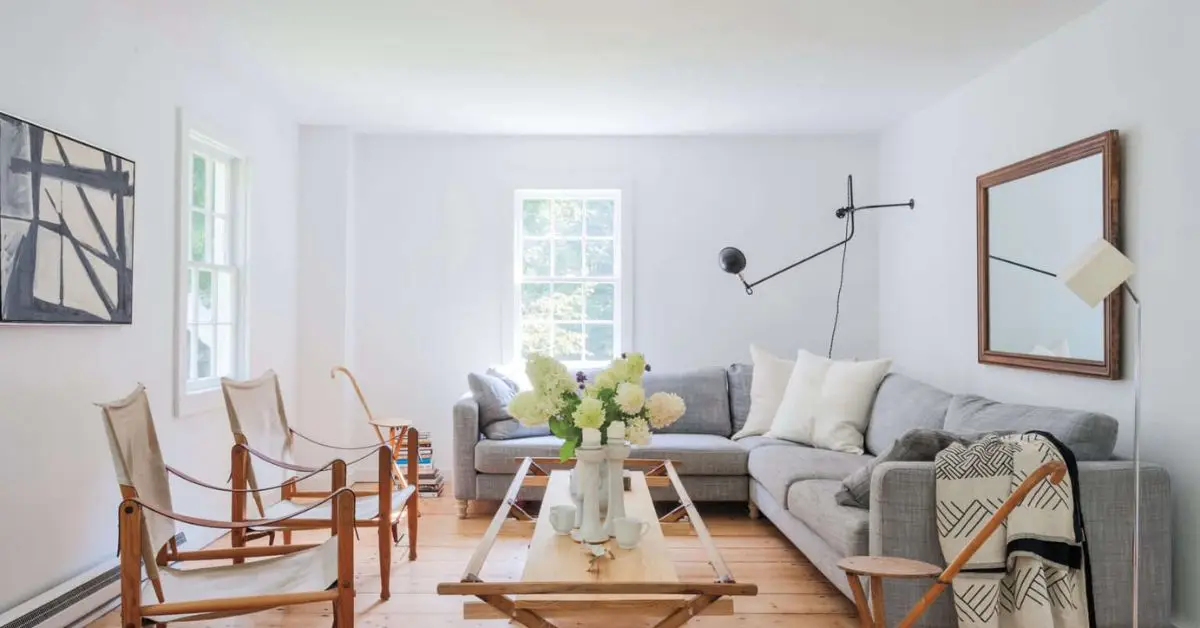
One simple trick I always recommend is paying attention to how your furniture sits in the room. Bulky, low pieces that sit directly on the floor can make a space feel heavy and cramped, even if the room itself is perfectly sized.
When the floor beneath furniture is visible, your eyes can travel freely across the room. This creates visual airflow, making the space feel open and larger than it actually is.
Why Low, Bulky Furniture Shrinks a Room
- Blocks sightlines and interrupts the room’s flow
- Adds visual weight that makes walls feel closer
- Makes corners and edges feel closed in
Raised Furniture Creates Visual Airflow
- Furniture with legs allows light and sightlines to pass underneath
- Wall-mounted or floating pieces keep the floor visible
- Small coffee tables or side tables with open bases add openness
Even just switching to a sofa or bed with visible legs can make a surprisingly big difference. Even minor mistakes in furniture placement can shrink a room’s feel, so it’s worth reviewing 7 furniture arranging blunders that clutter your living room to avoid common pitfalls). That’s backed up by design insights on how to make small living space look larger — this article explains how raising furniture and reducing visual weight helps rooms feel more spacious.
Tip #5: Use Multi-Functional Furniture to Reduce Clutter
Clutter is one of the fastest ways a room feels cramped. I’ve noticed that even a well-lit and color-coordinated room can feel small if everything is scattered or stored poorly. That’s where multi-functional furniture comes in.
By combining storage with everyday use, you can reduce visual noise without losing functionality.
Storage Beds
- Beds with drawers underneath eliminate the need for extra dressers
- Lift-up beds can hide seasonal items or linens
- Keeps the floor clear and the room tidy
Foldable Desks or Tables
- Fold-down desks or tables provide workspace only when needed
- Frees up space for movement when not in use
- Helps maintain a clean and open look
o keep your bedroom organized while maximizing space, pro organizers recommend checking out 5 bedroom mistakes pro organizers spot in seconds and how to fix them fast — small tweaks here can make a huge difference in perceived room size).
Tip #6: Hang Curtains Higher Than the Window Frame
One of my favorite visual tricks is raising your curtains above the window frame. It’s subtle, but it works wonders. Most people hang their curtains just above the window, which visually shortens the walls. Pull them closer to the ceiling instead, and suddenly your room feels taller.
Install Curtain Rods Near the Ceiling
- Position rods 4–6 inches below the ceiling or higher
- Draws the eye upward and elongates walls
- Works especially well in rooms with low ceilings
Extend Rods Wider Than the Window
- Allow curtains to extend beyond the window frame on both sides
- Lets more natural light in when curtains are open
- Makes the window appear larger than it actually is
Even small changes in curtain placement can dramatically improve the sense of height and openness in a room.
Tip #7: Use Larger Rugs Instead of Small Ones
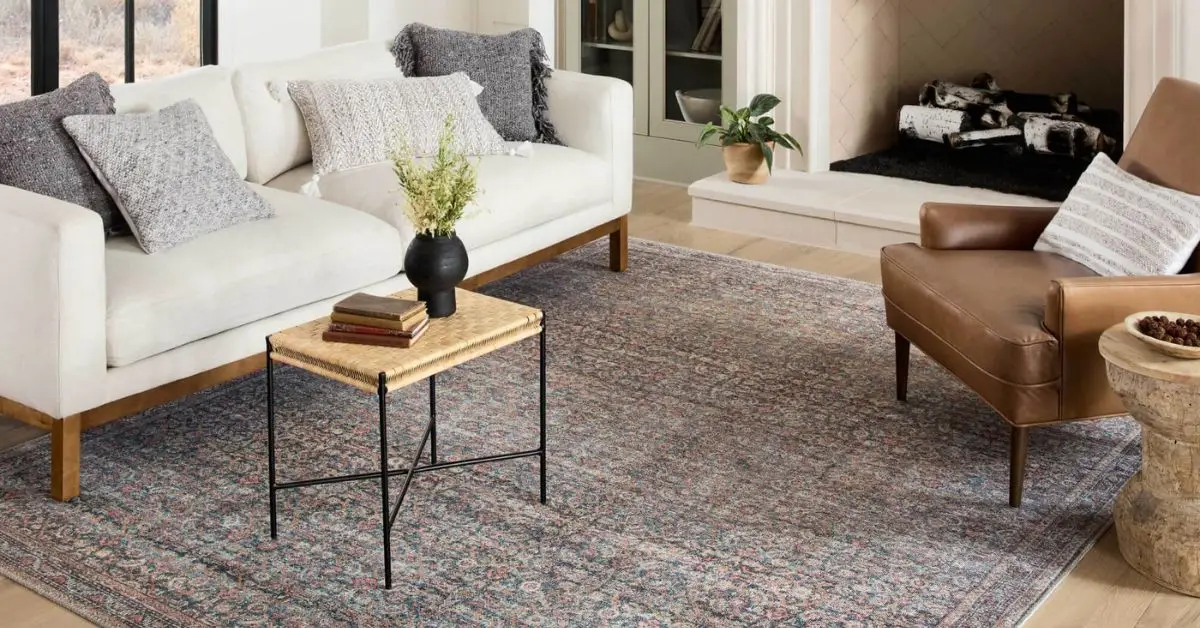
The rug you choose can either shrink your space or unify it. I often see small rugs breaking up the floor, which fragments the room visually. A large rug, on the other hand, connects furniture and creates a continuous floor area, making the room feel wider and more cohesive.
Why Small Rugs Break Visual Flow
- Divide the floor into disconnected areas
- Make furniture islands look isolated
- Draw the eye to empty spaces rather than open space
Large Rugs Unify the Room
- Anchor all furniture in one visual plane
- Smooth out transitions between seating and open areas
- Enhance the perception of a larger, continuous floor
Tip #8: Keep Decor Minimal but Strategic
One of the fastest ways a room starts to feel cramped — even if it’s well‑lit and nicely laid out — is too many small decorative items. I’ve walked into spaces where every surface was packed with tiny trinkets, and instantly it felt heavier, busier, and smaller.
The idea here isn’t minimalism for minimalism’s sake. It’s about creating breathing room for your eyes so the space feels open and intentional.
Choose Fewer but Larger Decorative Items
- Go for one or two bold pieces rather than lots of small ones
- Larger art, statement lamps, or a single sculptural vase makes a room feel curated
- These pieces give your eye something stable to focus on instead of jumping around
Avoid Busy Patterns
Patterns can be beautiful — but tiny, cluttered ones make a room feel visually noisy.
Keep patterns simple and clean by:
- Choosing large, subtle motifs over many little ones
- Using pattern sparingly — pick one statement piece at most
- Balancing patterns with plenty of solid color space
When decor is intentional and uncluttered, you create a calm visual field — and that calm translates to perceived spaciousness.
For more practical tips on making small spaces feel bigger through smart design choices, check out 5 ways to make a small room look bigger — they highlight how thoughtful placement and decor scaling can instantly expand your space.
Tip #9: Use Vertical Elements to Add Height
If you want your room to feel taller right away, think vertical. Designers know that the eye naturally follows lines, and when those lines point upward, the room feels higher and more open — even if the ceiling height hasn’t changed.
Vertical Wall Art or Panels
- Hang tall framed pieces instead of short horizontals
- Floor‑to‑ceiling panels stretch how high the space feels
- Align artwork with wall lines to strengthen height perception
Tall Shelves or Lamps
- Use tall shelving units that draw your eye up
- Floor lamps with height emphasize vertical space without crowding
- Keep tall objects away from cluttered areas so they serve as visual pathways
Vertical focus tricks are simple but powerful — and they’re often missing from basic room‑expansion lists.
Quick Designer Checklist Before You Rearrange the Room
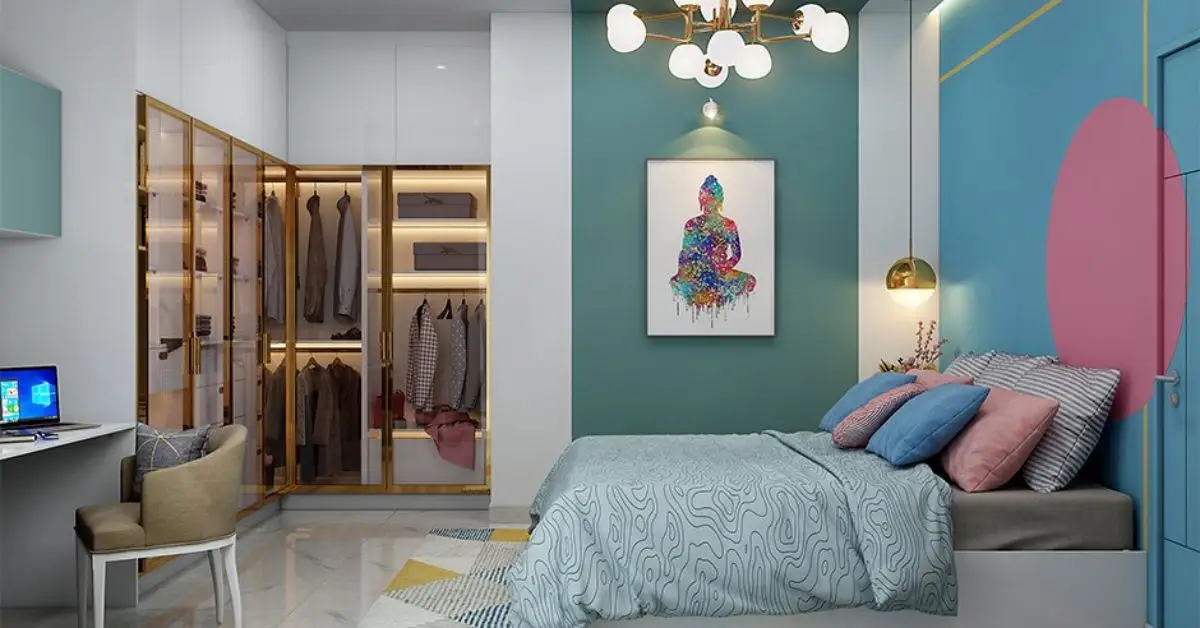
Before you shift furniture or hang new decor, run through this checklist to make sure your changes have real impact:
- Remove unnecessary items that crowd sightlines
- Assess lighting — natural and artificial — and optimize it
- Rearrange furniture with clear paths and fewer blockages
Doing this prep work means the upcoming changes actually work instead of just looking nice.
Final Takeaway
Here’s the bottom line: a room doesn’t need more square footage to feel bigger. What really matters is how you use the space you already have.
With smart lighting, well-chosen furniture, and simple visual design tricks — like mirrors, vertical accents, and strategic decor — even the smallest room can feel open, airy, and inviting. I’ve seen bedrooms, living rooms, and studios transform completely just by making a few thoughtful adjustments.
Now I want to hear from you: Which of these 9 tips are you most excited to try in your own space? Drop a comment below and share your experience — I love reading how people make their rooms feel larger with these small changes.
And if you’re looking for more practical, step-by-step guidance on transforming your home, check out Build Like New for expert advice, design ideas, and inspiration to make every space feel bigger and better.
Your room doesn’t need walls knocked down — it just needs the right approach. Let’s make it happen!
Disclaimer: The tips and advice shared in this article are for informational and design guidance purposes only. Results may vary depending on your room’s size, layout, and existing conditions. Always consider your safety and personal preferences when rearranging furniture or making design changes.