Avoid These 7 Items When Taking Things to a Consignment Store
When I first started decluttering my home, I thought I could take almost anything to a consignment store and someone would snap it up. Turns out, that’s not how it works. Some items are instantly rejected, and if you don’t know what to avoid, you could end up wasting time, energy, and even feeling frustrated.
I’ve learned the hard way what stores won’t accept—and why—and I want to share that with you so your next trip is smooth, productive, and actually rewarding. By the end of this guide, you’ll know exactly which seven types of items to keep out of your donation pile and how to handle them instead.
Why Some Items Get Rejected by Consignment Stores
When I first brought a bag full of clothes to a consignment store, I was surprised at how picky they were. It wasn’t just about cleanliness—it’s about resale potential, brand, condition, and even seasonal trends. Understanding why stores reject certain items can save you from wasted trips and frustration.
How Consignment Stores Evaluate Items
You might assume any gently used item can be consigned, but stores follow specific criteria:
- Condition: No tears, stains, broken zippers, or excessive fading.
- Brand & Style: Recognizable, in-demand brands or timeless pieces sell faster.
- Seasonal Relevance: Winter coats in summer or outdated trends often get rejected.
- Safety & Completeness: Items must be functional, complete, and free of recalls.
Basically, they’re running a mini retail operation—they want items that someone will actually buy. If you’ve ever wondered why your “perfectly good” sweater didn’t make the cut, this is usually why. For a detailed look at resale standards, I often refer to ThredUp’s guide on what items sell, which really helped me understand how stores think about value.
Common Misconceptions About What Stores Accept
A lot of people think consignment stores are like donation bins—but they aren’t. You can’t just drop off old furniture, mismatched dishes, or any clothing that’s lost its tags and expect it to be accepted. I’ve seen friends get frustrated because they assumed anything clean and wearable would sell. Knowing the real rules before you go makes the process much smoother and less stressful. If you want to see everyday home items that look better when thrifted.
1. Damaged or Heavily Worn Clothing
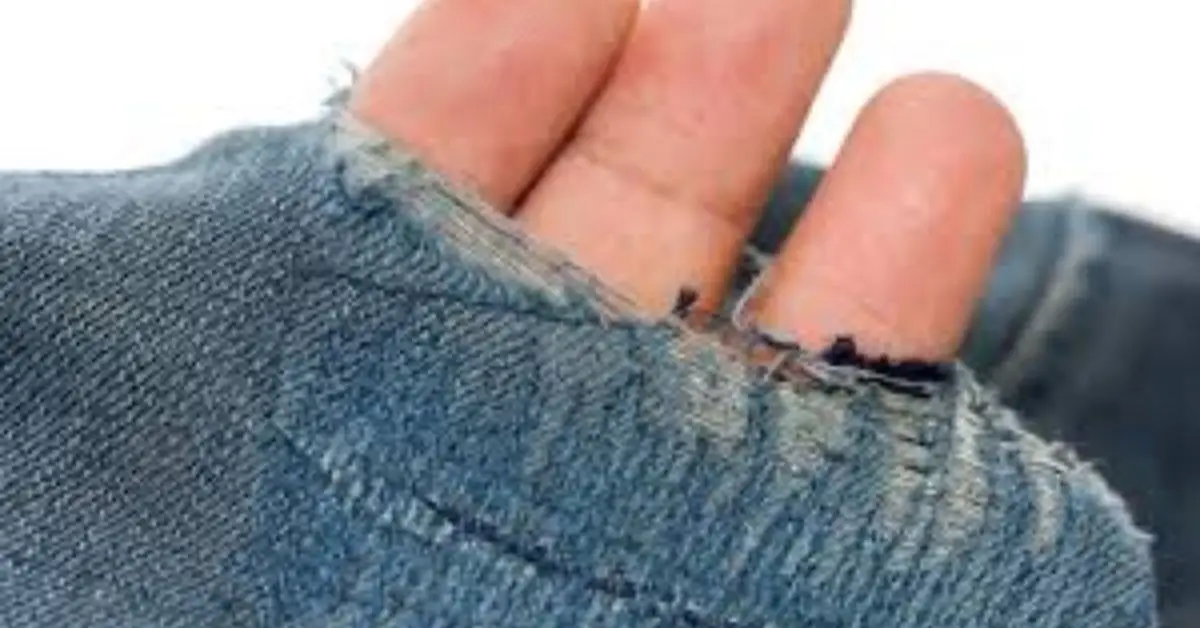
This is hands down the most common reason items get rejected. Even if you think your shirt or jacket looks fine, stores have strict standards.
Tears, Stains, Broken Zippers, Pilling, Fading
Here’s what typically gets turned away:
- Rips or holes, no matter how small
- Stains that won’t come out
- Broken zippers, missing buttons, or frayed seams
- Heavy pilling or faded colors
If you’ve ever tried to sell a piece of clothing and it got rejected, it was probably for one of these reasons.
When to Repair vs. When to Recycle/Donate
I always ask myself: can this be fixed easily, or is it beyond repair?
- Repairable items: Sew on missing buttons, replace zippers, or do minor patching.
- Unfixable items: Donate to textile recycling or drop off at donation centers that accept worn items.
This way, nothing goes to waste, and you save yourself from a wasted trip to the consignment store.
2. Out-of-Season or Outdated Fashion
Even if your clothes are in perfect condition, consignment stores are picky about timing. I’ve learned that a winter coat in July or neon leggings from five years ago rarely make the cut. Stores are focused on what will sell right now, not what might someday, so understanding trends is key.
Why Trends Matter to Consignment Buyers
You might be thinking, “It’s still wearable!”—and yes, it is—but resale is a business, not a charity.
- Stores track what’s currently in style and what customers are searching for.
- Seasonal items sell faster during their relevant months (summer dresses in spring, jackets in fall).
- Outdated trends often sit unsold for months, taking up valuable shelf space.
I once brought in a batch of vintage graphic tees I loved, but most were passed over because the styles weren’t trending anymore.
What to Do With Out-of-Season Items
Instead of feeling frustrated, here’s what I do:
- Store them for the right season: Keep clean, labeled boxes and rotate them when the time comes.
- Sell online: Platforms like eBay or Poshmark allow you to reach niche buyers looking for retro or off-season items.
- Donate strategically: Some thrift stores or donation centers accept off-season clothing year-round, giving your items a second life. You can also learn 10 warning signs to watch for when buying secondhand items to make smarter choices.
This approach saves me trips to the consignment store and ensures I’m only taking items they’re likely to accept.
3. Broken, Missing, or Incomplete Sets (Furniture and Toys)
One of the biggest mistakes I’ve seen people make is bringing items that look fine individually but are incomplete as a set. Consignment stores want fully functional pieces because customers expect ready-to-use items.
Examples: Missing Legs, Loose Parts, Unmatched Pieces
- Chairs with missing legs or drawers that won’t slide
- Toy sets missing key pieces or instructions
- Dining sets with mismatched items or damaged tableware
I remember trying to consign a puzzle missing five pieces—I thought it was still sellable, but the store rejected it immediately. Real-life examples like this help you avoid wasting time.
How to Check Before You Bring It In
Before packing up, I make a quick checklist:
- Verify all pieces are included and functional
- Test items for stability or safety
- Make sure small parts aren’t missing or broken
- Clean and assemble sets so they’re “ready to use”
Doing this takes a few extra minutes, but it prevents disappointment at drop-off.
4. Unsafe or Recalled Items
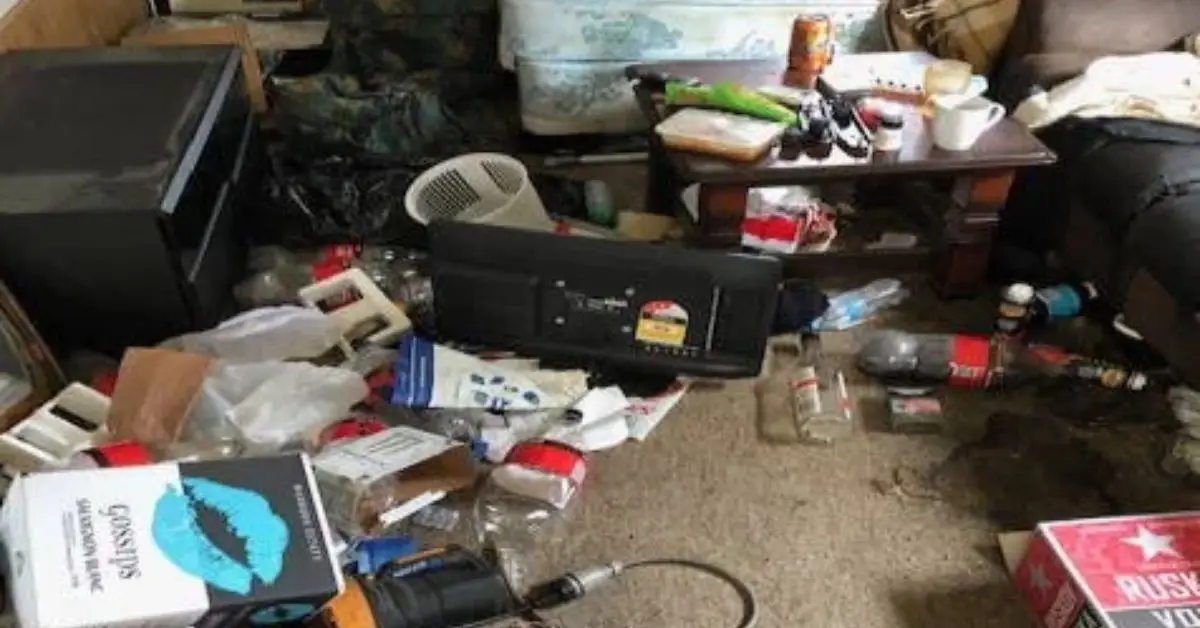
Safety is non-negotiable. If something could harm someone—or has been recalled—stores won’t touch it. This is one area many guides forget to stress, but it’s crucial for protecting yourself and the buyer.
What Counts as Unsafe (Recalls, Structural Instability)
- Furniture with sharp edges, loose screws, or tipping hazards
- Electrical items with frayed cords or broken plugs
- Toys with choking hazards or recalled parts
I once tried to consign a used crib, but a quick check revealed it had been recalled years ago. Stores reject these items outright because of liability concerns.
How to Check for Recalls (CPSC, Manufacturer Sites)
Before taking anything in, I always check the U.S. Consumer Product Safety Commission (CPSC) recall database. It’s simple, free, and gives peace of mind that the item is safe for resale. Search by brand, model, or item type
- Cross-check expiration or safety notices
- Keep a record of clearance for items you bring in
Doing this small step saves time, prevents headaches, and ensures you’re only consigning items that are both sellable and safe.
5. Personal Care Items, Mattresses, and Bedding
I’ve learned the hard way that consignment stores are very strict about hygiene. Even if something looks brand new, items like these are usually rejected. It’s not personal—they’re just following rules to protect buyers.
Why Hygienic Items Aren’t Accepted
- Personal care items: Soaps, lotions, cosmetics—they can’t be resold once opened.
- Mattresses and bedding: Stores avoid them due to germs, allergens, or prior use.
- Pillows and comforters: Even lightly used items fall under hygiene restrictions.
Knowing this saves you from awkward trips and helps you avoid wasting time hauling items they won’t touch.
What to Do Instead (Donation Rules for Bedding)
Instead of bringing these items to a consignment store:
- Donate where allowed: Some organizations accept new or factory-sealed bedding and unopened personal care products.
- Recycle: Certain recycling programs take old mattresses and pillows.
- Upcycle: Old towels or sheets can be repurposed as cleaning rags.
6. Large or Bulky Appliances Without Verification
Many people assume that if something works, a consignment store will take it. I’ve found that’s not always true—especially with appliances. Stores need to verify functionality and safety before accepting these items.
Store Testing Requirements and Safety Checks
- Appliances must be in perfect working order.
- Some stores require a demonstration or functional test.
- Damaged cords, missing parts, or unusual noises are instant rejection.
- Energy efficiency and model age may matter depending on store policies.
Knowing these rules upfront helps you avoid wasted trips or embarrassment at the drop-off.
When to Sell Privately vs. Donate vs. Recycle
- Sell privately: Platforms like Facebook Marketplace or OfferUp are perfect for bulky appliances.
- Donate: Only items in excellent, fully working condition are accepted.
- Recycle: Non-working appliances should go to certified recycling centers.
This approach ensures you’re only bringing items that have a real chance of being accepted.
7. Generic, Low-Value Items That Won’t Sell
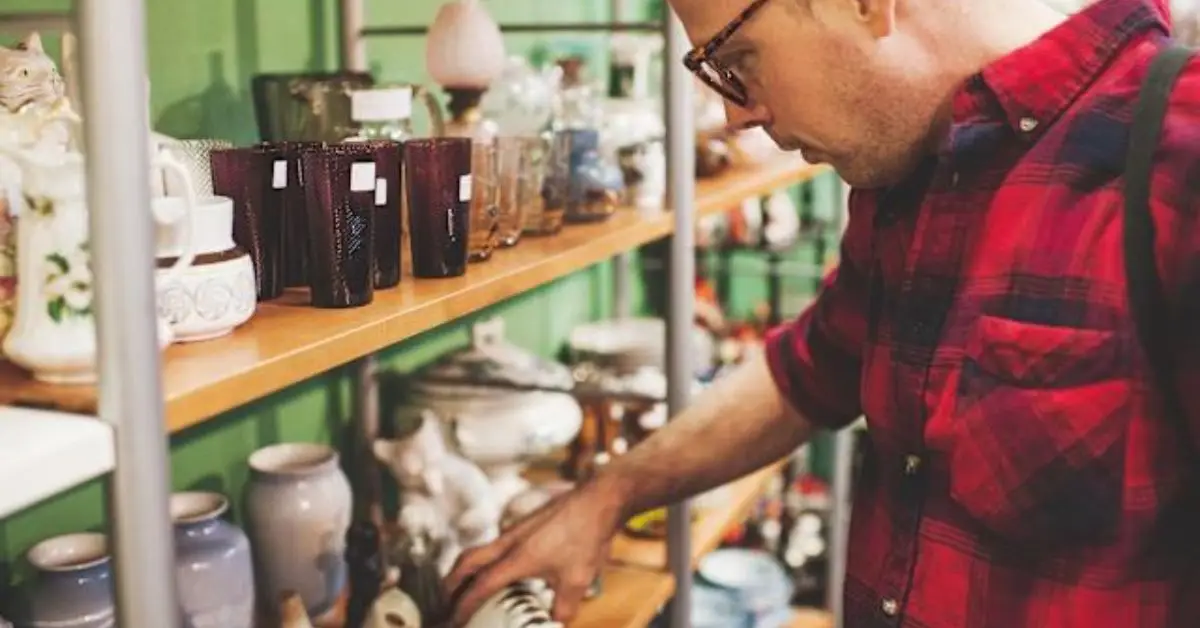
Here’s a hard truth: not everything is worth reselling. I’ve brought in cute decor or cheap kitchen gadgets before, only to have them returned. Stores focus on items that have resale value, so you need to be selective.
Examples: Cheap Decor, Low-End Kitchen Gadgets, Plastic Storage
- Plastic storage bins that are mass-produced and low-quality
- Inexpensive decorative items that don’t match current styles
- Low-end gadgets or kitchen tools with little brand recognition
These may seem useful to you, but stores won’t spend shelf space on them.
How to Estimate Resale Value Before You Go
- Check online marketplaces for similar items’ sold prices.
- Look for brand, material, and condition comparisons.
- Only take items that show consistent buyer interest or clear resale value.
For a quick reference on estimating resale potential, I often use eBay’s sold listings to see what items like mine are actually fetching. This simple step has saved me countless wasted trips.
Quick Pre‑Drop Checklist Before You Visit a Consignment Store
Before you even load up your car, I always run through this quick checklist. It saves time and prevents frustration:
- Cleaned & Laundered: Clothes, bedding, and soft items should be freshly laundered.
- Functional & Tested: Appliances, furniture, and toys must work perfectly.
- Complete Sets: Check that nothing is missing or mismatched.
- Brand & Style Suitability: Only bring items that match current trends or recognizable brands.
- Safety & Recalls Checked: Verify with manufacturer.
- Estimated Resale Value: Use online marketplaces to make sure your items are worth consignment.
I follow this checklist every time, and it really cuts down on surprises at the drop-off.
Best Alternatives for Rejected Items
Even after following all the rules, some items still won’t be accepted. That’s okay—there are smart alternatives that make sure nothing goes to waste.
Donation Centers with Broader Acceptance
Some charities and thrift stores have broader guidelines than consignment shops. For example, local shelters, community centers, and specialized donation programs often accept bedding, small appliances, and generic decor. For more ideas, see my guide on 7 clutter items you should donate instead of throwing away.
Recycling and Upcycling Resources
- Mattresses, pillows, and electronics: Take them to certified recycling centers.
- Old textiles: Upcycle into rags, crafts, or DIY projects.
- Broken or unusable items: Some cities have municipal recycling programs that will handle them responsibly.
Online Resale Tips (Facebook Marketplace, eBay)
If you’re looking to make money instead of donating, online platforms are your friend:
- List items individually and highlight brand, condition, and unique features.
- Use sold listings on eBay to price realistically.
- Check Reddit communities for tips on selling specific items—real people share what actually moves.
I’ve found that items rejected by consignment stores often find a second life online. It just takes a little research and patience.
Summary of What Consignment Stores Won’t Take and Why
Here’s a quick reference based on everything we covered:
- Damaged or heavily worn clothing – tears, stains, broken zippers
- Out-of-season or outdated fashion – trend and seasonal relevance
- Broken, missing, or incomplete sets – furniture and toys
- Unsafe or recalled items – hazards or recalls
- Personal care, mattresses, and bedding – hygiene concerns
- Large or bulky appliances – must be verified and functional
- Generic, low-value items – items with little resale potential
Understanding these categories makes decluttering less stressful, and following my pre-drop checklist increases the chance your items will be accepted.
I’d love to hear from you: Have you ever had a frustrating experience with a consignment store? Share your story in the comments below—I read every one.
Also, for more practical decluttering tips, guides on resale, and step-by-step strategies, check out my website Build Like New. I post content there that saves time, money, and frustration when decluttering or selling items.
Disclaimer: This article is for informational purposes only. Policies and acceptance criteria vary by consignment store, and you should always check with your local store before bringing items. Build Like New is not responsible for any rejected items or related outcomes.