Firefighters Respond to Nursing Home Fire in Macedonia, No One Hurt
I just read about a fire at the Avenue at Macedonia Care and Rehabilitation Center in Ohio, and my first thought was: are the residents okay? Luckily, everyone made it out safe. The blaze started around 2:30 p.m. near the kitchen, and high winds made it tough for firefighters—but the staff acted fast, evacuating all 92 residents.
Even in a short report, this incident shows how preparation and quick action can save lives. Let’s break down what happened and what it means for nursing home safety.
Overview of the Macedonia Nursing Home Fire
When I first saw the news about the fire, I knew people would want the facts fast. The blaze broke out on Friday around 2:30 p.m. at the Avenue at Macedonia Care and Rehabilitation Center on Valley View Road. Smoke and flames were coming from the roof near the kitchen and dining area, and with the high winds sweeping across Northeast Ohio that day, it wasn’t an easy fight for the firefighters. Fires in residential facilities are always alarming—similar to how a tragic house fire in Brunswick claimed the lives of two children earlier, quick response can be the difference between tragedy and safety.
The cause is still under investigation, but Fire Chief Brian Ripley mentioned that the HVAC system is being looked at closely. It’s one of those moments that reminds you how quickly accidents can happen—even in places designed to keep people safe.
Emergency Response and Firefighting Efforts
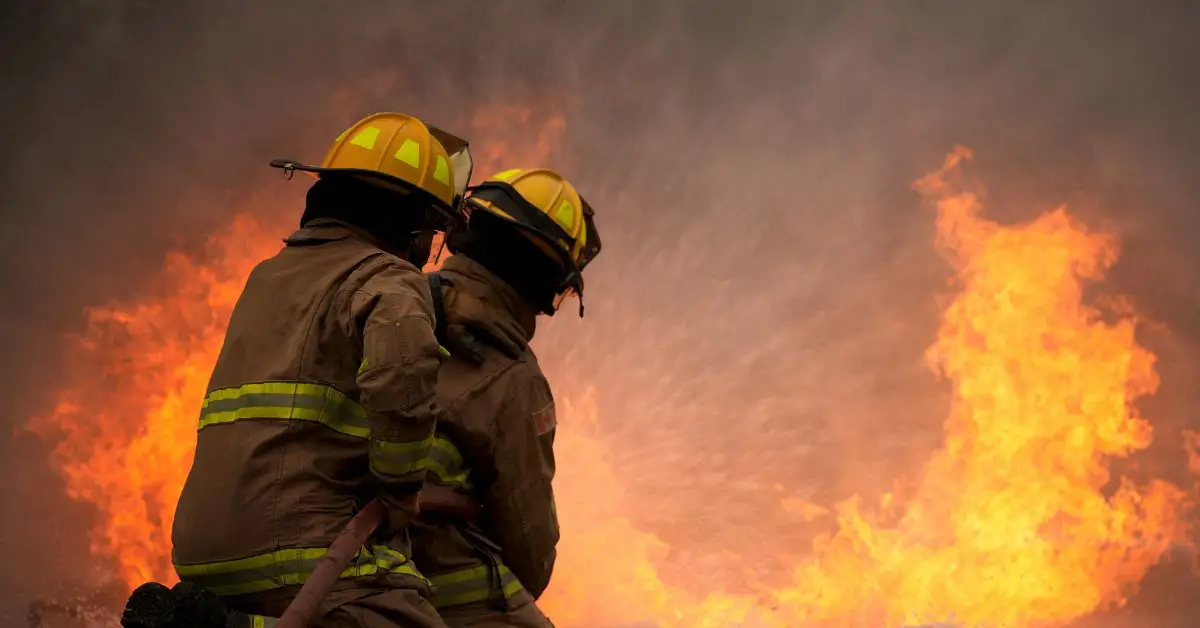
You might be wondering how so many residents got out safely. I found it impressive that the Macedonia Fire Department led the charge, assisted by crews from Twinsburg, Oakwood, Stow, Northfield Village, Hudson, and the Valley Fire District. Their coordination shows what preparedness looks like in action.
It reminds me of the fatal house fire in North Columbia that claimed one life, where every second counted for rescuers and residents alike.
High winds and smoke pouring from the roof made it a tough situation. But thanks to quick thinking from both the staff and firefighters, all 92 residents were evacuated without injury, except for one patient who needed oxygen and was sent to a nearby hospital.
Mayor Nick Molnar said the response was “fast and professional,” and hearing that made me realize just how much planning and training goes into keeping residents safe. If you want to read the original local report, WKYC has a full coverage of the fire at Macedonia nursing home.
Resident Safety and Evacuation Measures
When I think about emergencies, the first thing I ask myself is: “Were the people inside okay?” In this case, all 92 residents at the Macedonia nursing home were safely evacuated. Many were moved to nearby facilities to ensure they were cared for without interruption.
One resident required continuous oxygen due to unrelated health issues and was taken to a local hospital. Including these details really shows how closely staff monitored everyone’s needs during the chaos.
Speaking of staff, you can’t overlook their role. Their quick decision-making and calm coordination made the difference between a scary incident and a safe outcome. It’s a reminder of how much preparation goes into protecting vulnerable residents every single day.
Damage Assessment and Facility Status
Even though everyone was safe, the building itself didn’t escape unscathed. Smoke and water damage forced the facility to close completely, affecting operations and displacing residents temporarily.
Thankfully, the structure itself isn’t believed to have any ongoing danger. The Ohio State Fire Marshal will continue the investigation, giving the community some reassurance. If you’re curious about fire safety standards in nursing homes and how inspections like these help prevent worse outcomes, the National Fire Protection Association (NFPA) offers guidelines for healthcare facilities that are worth checking out.
Expert Insights and Fire Prevention Lessons
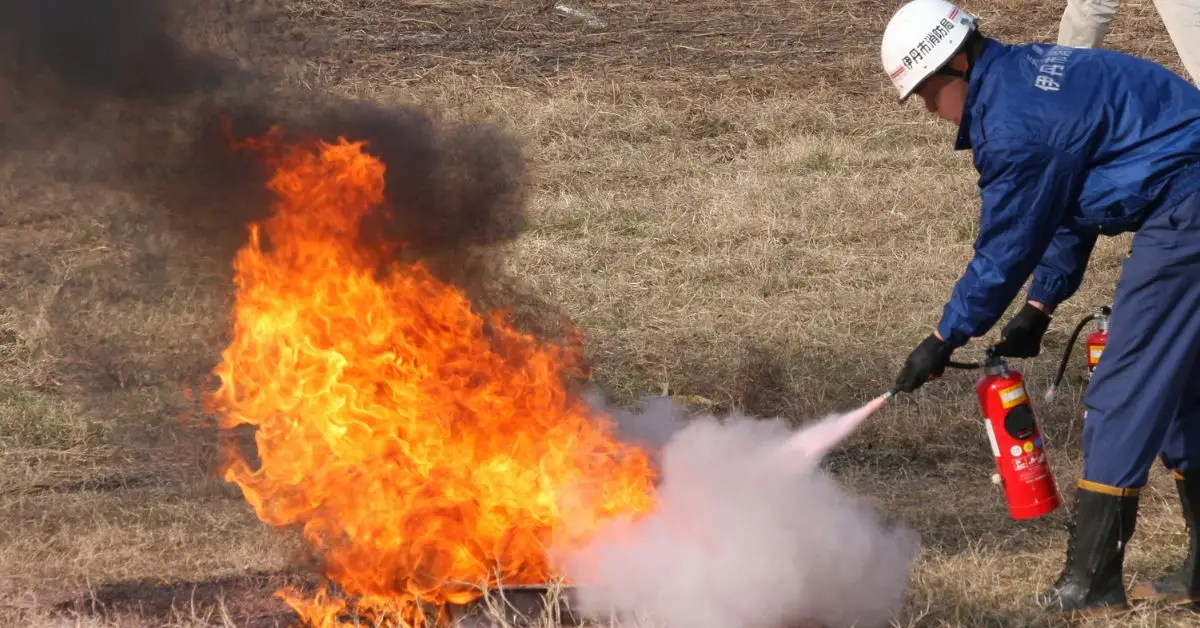
Reading about the Macedonia nursing home fire got me thinking about how small mechanical issues can suddenly become dangerous. HVAC systems, like the one investigators are examining, can sometimes spark fires if they’re not maintained properly. Even small technical issues can escalate quickly—like a lithium-ion battery that sparked a fire in a Lee County home, reinforcing why routine inspections and safety checks are essential. It’s not something most of us notice, but in facilities housing vulnerable residents, even a minor malfunction can be serious.
Beyond equipment, solid fire safety protocols in nursing homes make a huge difference. Regular drills, clear evacuation routes, and staff trained to respond calmly can prevent an emergency from turning tragic. Seeing these systems in action really shows why preparation matters.
If you have a loved one in a care facility, there are practical steps you can take too. Knowing emergency exits, confirming smoke alarms are functional, and checking that the facility has updated fire response plans can make a real difference. For research-backed guidance on fire prevention and safety in long-term care facilities, the NCBI guidelines are a great resource.
If you want quick tips on emergency preparedness, there’s a channel that shares short, actionable updates that families find really useful—just check out the updates there.
Steps Families Can Take
I know how worrying it can feel when an incident like this happens. One of the most important things you can do is be proactive. Ask the facility about their emergency procedures, make sure staff are trained for different scenarios, and confirm how residents will be evacuated if something goes wrong.
It also helps to have a personal plan: keep a list of emergency contacts, know which nearby facilities could take residents if needed, and check that your loved one’s medical needs—like oxygen—are accounted for in an evacuation plan. Even small actions like this can give you peace of mind and ensure that, should the unexpected happen, everyone is prepared.
Investigation Updates and Official Reports
If you’re following this story, you probably want to know what comes next. The Ohio State Fire Marshal is leading the investigation into the Macedonia nursing home fire. Their involvement ensures the process is thorough and credible, looking closely at possible causes, including the HVAC system.
While the findings will take time, it’s reassuring that every step is documented and reviewed by experts. Investigations like this help prevent similar incidents and provide lessons for other care facilities. You can expect updates from the Fire Marshal’s office in the coming weeks, so families and the community know exactly what happened.
Nursing Home Fires in the U.S.

It’s easy to think of this as just a local story, but nursing home fires happen across the country, and the lessons are universal. Most fires in long-term care facilities are small but can escalate quickly if systems and staff aren’t prepared.
Common causes include electrical or HVAC issues, cooking accidents, and human error. That’s why regular maintenance, fire drills, and staff training are non-negotiable. Each state also has fire safety laws and licensing requirements that facilities must follow, giving families a framework to evaluate whether their loved ones are safe.
Conclusion
Reading about the Macedonia fire reminds me how quickly emergencies can happen—and how preparation, vigilance, and trained staff make all the difference. If you have family in a care facility, now is the perfect time to review emergency plans, ask questions, and stay informed.
I’d love to hear your thoughts—have you ever checked your loved one’s facility for fire safety? Share your experiences in the comments below. And if you want more practical tips and guides on building and safety standards, don’t forget to visit Build Like New for expert insights you can trust.
For more practical insights and updates, you can follow me on X and join the Build Like New Facebook community to stay connected.
Disclaimer: This article is for informational purposes only. All facts are based on publicly available sources at the time of publication. Build Like New is not responsible for any changes or outcomes related to the events described.