Autonomous Vehicle Crosses Fire Barrier at Texas House, Officials Say
I still can’t get the image out of my mind—a Waymo self-driving car quietly rolling past the bright, chaotic flames of a house fire in San Antonio. You’d think in a scene like that, every human and machine would pause, right? But this robot taxi didn’t. Early Thursday morning, while fire crews were battling a blaze on Eisenhauer Road, the vehicle crossed safety barriers that had been clearly set up.
As someone who follows autonomous vehicle technology closely, I find this incident both fascinating and concerning—it raises real questions about how these cars interact with emergency situations, and how much trust we can place in them when lives and property are on the line.
Timeline of the Eisenhauer Road House Fire Incident
I remember reading the details and thinking how quickly everything happened. Around 1:45 a.m., fire crews rushed to a single-family home on the 4600 block of Eisenhauer Road in San Antonio. Flames were already climbing, and crews had set up safety barriers to keep traffic out. That’s when the Waymo self-driving car crossed right through them.
The San Antonio Police Department later issued citations to the driver for ignoring traffic signals and driving in a no-passing zone. Fortunately, the fire department said the blaze was extinguished in about 15 minutes, and the car didn’t slow down the emergency response at all.
Incidents like this remind me of other tragic events in Texas and nearby states, such as the tragic house fire in Brunswick that claimed the lives of two children, highlighting just how unpredictable residential fires can be.
You can read the full official report on the incident at San Antonio Express-News if you want all the details.
Who Was Behind the Wheel — Understanding Waymo’s Driver Role
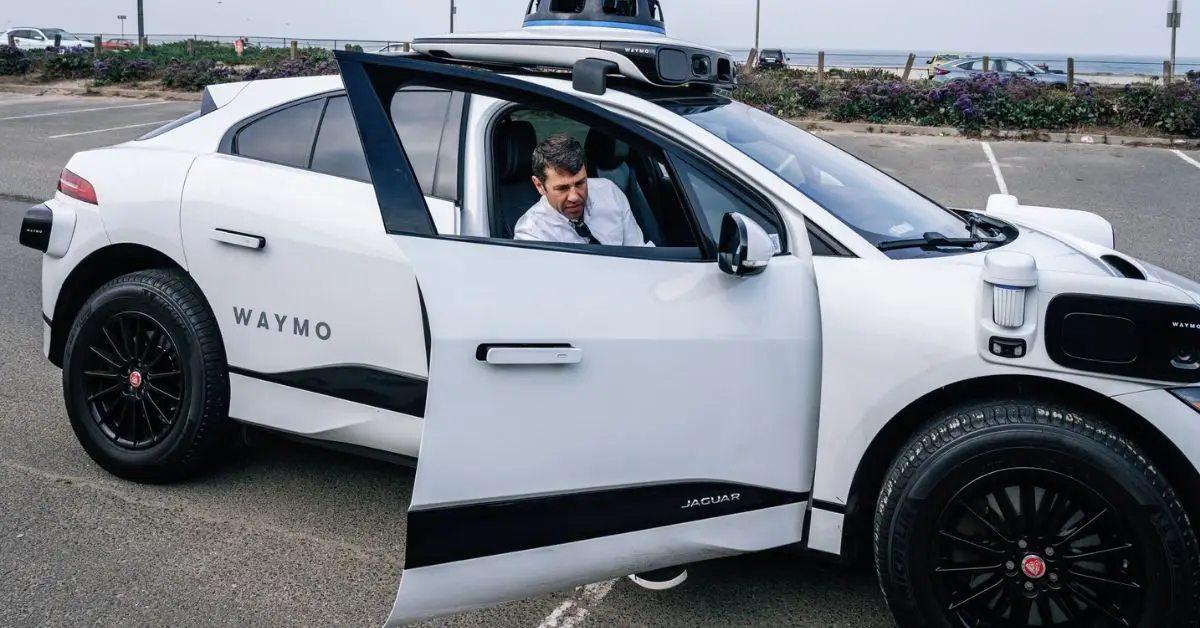
Here’s something a lot of people get curious about: was it fully autonomous, or was there a human behind the wheel? In this case, there was a Waymo driver in the seat, supervising the ride. The citations were issued to the driver, not the company, which makes sense—you can’t exactly ticket software.
Waymo hasn’t publicly commented on this specific incident, but knowing the technology, I can see why this is raising questions. When you see a self-driving car enter a fire scene like this, it makes you wonder: how much control do humans have in these moments, and what safeguards are actually in place to prevent situations like this?
Waymo in San Antonio — Background & Recent Controversies
If you’ve been following how driverless tech is intersecting with everyday life, San Antonio has become a real case study. Waymo recently launched its robotaxi service in parts of South Central Texas, and people aren’t just noticing—some are pushing back.
You’d expect innovation in transportation to feel exciting, but in several neighborhoods, residents have raised eyebrows. There have been complaints about cars driving unpredictably, reports of one striking and allegedly killing a cat in January, and frequent sightings of these vehicles parking or lingering in places that make locals uneasy. Add in the fact that these cars are equipped with cameras and sensors running 24/7, and you can see why discussions about surveillance and privacy have come up alongside the safety concerns.
You can also get quick alerts and updates from ongoing incidents in your area through a WhatsApp channel that tracks local news and safety reports, which I’ve found really helpful for staying informed in real-time.
Prior Incidents Highlighting AV Safety Concerns
To really understand why this recent house fire incident felt like a big deal to some of us watching autonomous vehicles, you have to look at what’s already happened elsewhere. For starters, a Waymo robotaxi was caught on camera in Austin blocking EMS vehicles responding to a mass shooting. Officials later said the ambulance wasn’t delayed, but the visuals alone got people talking about how these systems behave in chaotic, high‑stakes environments.
That’s not the only situation that’s drawn scrutiny. Waymo even had to issue a software recall after vehicles were found illegally passing stopped school buses—something no responsible driver should do. And even after software updates, related citations continued, showing that the technology still has gaps.
While Waymo’s autonomous system has had its share of scrutiny, residential fires caused by household hazards also show how quickly situations can escalate, like in the fatal house fire in North Columbia that claimed one life.
If you want a summary of these ongoing issues and how regulators are paying attention, here’s a detailed look at Waymo incidents triggering a federal review.
Autonomous Vehicles and Emergency Response Safety
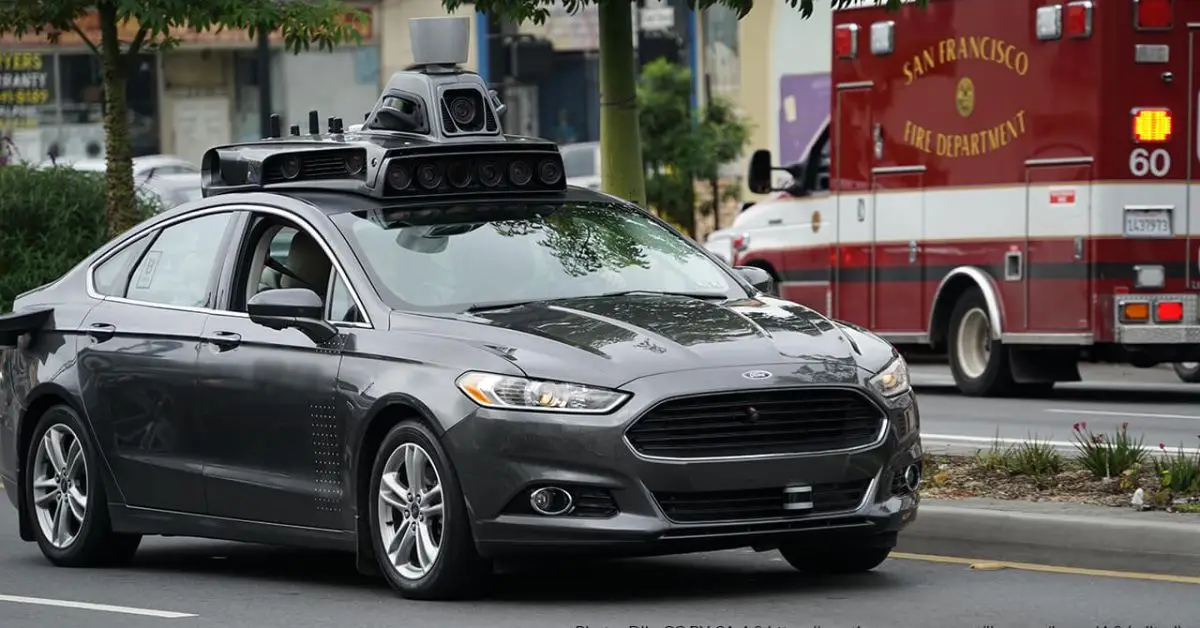
When I think about autonomous vehicles in real-life emergencies, it’s clear that the technology isn’t just about convenience—it can have real safety implications. Fires, accidents, or road closures create chaotic environments where split-second decisions matter. You’d expect AVs to pause or reroute when barriers are up, but incidents like the San Antonio house fire show that isn’t always the case.
You might not realize it, but temporary traffic controls—cones, barriers, and emergency lane closures—are critical for keeping responders safe.
Beyond technology, even something as small as a lithium-ion battery can spark danger in homes, as seen in the Lee County home fire where three escaped but a pet was lost, reminding us that both human and machine vigilance are crucial.
Autonomous systems need to recognize and respect them, but social media and Reddit threads reveal that sometimes these cars interpret things too literally or miss subtle cues. Experts have been discussing how AVs behave unpredictably in these scenarios, and the consensus is clear: emergency response safety must be a top priority.
Lessons and Forward-Looking Safety Considerations
After seeing multiple incidents, I can’t help but think about what this means for the future of AVs in Texas. There’s an urgent need for better coordination between companies like Waymo and local police or fire departments. When AVs can interface more seamlessly with emergency protocols, we reduce risks for both responders and residents.
Regulators are starting to take notice. There are growing calls for stricter emergency compliance rules and operational oversight for AVs, and some of these discussions are already shaping policy reviews. If you want to read more about how experts are examining AV safety and potential regulatory changes, here’s a detailed report on AV incidents prompting federal and local reviews.
Key Facts Recap: The Texas House Fire and Waymo Incident
Let’s quickly summarize what really happened so you can see the essentials at a glance:
- Date & Time: Early Thursday morning, around 1:45 a.m.
- Location: Single-family home, 4600 block of Eisenhauer Road, San Antonio
- Fire Outcome: Flames extinguished in about 15 minutes; fire crews were not impeded
- Waymo Involvement: A Waymo self-driving car crossed safety barriers; citations issued to the driver for ignoring traffic signs and driving in a no-passing zone
- Community & Law Enforcement Response: Police issued citations; residents have raised concerns about AV safety, privacy, and vehicle behavior in neighborhoods
Wrapping Up
Looking at this incident, it’s clear that autonomous vehicles aren’t just a tech novelty—they’re part of our streets, and sometimes they interact with real emergencies in ways we might not expect. For anyone curious about AV safety, regulation, or the impact on local communities, keeping an eye on how these stories unfold is important.
I’d love to hear what you think: Do you feel safe sharing the road with autonomous vehicles, especially around emergency scenes? Drop your thoughts in the comments below, and don’t forget to check out more insights and news on our website, Build Like New, where we break down tech stories that actually affect your daily life.
For more real-time updates and discussions on tech and safety stories, you can check out our X page and join our Facebook community to stay connected.
Disclaimer: The information in this article is based on verified news sources and public reports. It is intended for informational purposes only and does not constitute legal, financial, or professional advice.