Many Home Sellers Regret Accepting Offers. Here Is What Goes Wrong
Accepting an offer feels like the finish line. I’ve seen many sellers relax at this point, thinking the price is locked in.
But it’s not.
Between offer and closing, buyers still negotiate, inspections happen, and new costs show up. This is exactly where sellers start losing money without realizing it.
In fact, most sellers end up giving concessions that cut into their profit.
If you don’t handle this stage carefully, that “great offer” can shrink fast.
So before you move forward, let me ask you this. Do you actually know how much money you’ll walk away with?
The Biggest Myth in Home Selling — Your Accepted Offer Is NOT Your Final Profit
Most sellers think the deal is locked once an offer is accepted, but this is actually where the real negotiation begins.
Why sellers feel “done” too early
I have seen this happen a lot. The moment you accept an offer, you feel relief.
You think the hard part is over. But that mindset is risky.
When you relax too early, you stop negotiating properly and start reacting to the buyer instead of leading the deal.
What actually happens between offer and closing
After the offer, the deal is still open to change.
Inspections happen. The lender gets involved. The home is appraised.
Each step gives the buyer a chance to ask for something. Repairs, credits, or even price changes.
Even insights shared on Realtor.com show that this stage is where most sellers start giving money back.
Real data on how much sellers lose
This is not rare. It is very common.
Most sellers give concessions, and on average, that can be around $7,200.
You do not lose this money all at once.
It happens in small decisions that feel harmless in the moment.
Even general negotiation advice from HomeOwners Alliance makes it clear that offers often change before closing.
The Exact Stages Where Sellers Lose Money (Timeline-Based)

If you understand where money is lost step by step, you can stop reacting and start preparing.
Stage 1 — Inspection phase pressure
This is where the first cracks appear.
The buyer’s inspection highlights issues, and suddenly you are expected to fix things or offer money.
Most sellers agree quickly just to avoid conflict. That is where profit starts slipping.
Stage 2 — Appraisal gap shock
This stage feels unfair, but it happens often.
You agree on a price, but the appraisal comes in lower.
Now the buyer pushes you to adjust. Since the deal is already in progress, you feel pressure to accept.
Stage 3 — Last minute buyer leverage tactics
The closer you get to closing, the more pressure builds.
Buyers sometimes raise new concerns or delay things in the final days.
You have already invested time and effort, so you are more likely to give in just to finish the deal.
The hidden pattern across all stages
If you look closely, the pattern is simple.
The buyer gains leverage at each step, and you lose patience.
That is how small compromises turn into big financial losses.
Why Sellers Keep Saying Yes (And Lose Thousands Without Realizing)
This is not just about strategy. It is about how you think during the process.
Fear of losing the deal
You finally get an offer, and you do not want to risk losing it.
So every request feels like a threat, and you agree faster than you should.
This is the same pattern I explained in this guide on home sellers making this housefishing mistake, where emotional decisions quietly reduce your final profit.
“Sunk cost” mindset near closing
By the later stages, you have already invested weeks.
It feels too late to walk away, even if the deal is no longer in your favor.
Incremental concessions trap
You rarely lose money in one big move.
It happens step by step.
A small repair. A small credit. Then another adjustment.
Before you realize it, your profit has dropped significantly.
I broke this down in detail in this article on one simple mistake that could cost home buyers and sellers thousands, where small decisions stack up into big losses.
Expert concept — “Friction threshold”
You need a clear limit.
Your friction threshold is the point where you stop agreeing because the deal no longer works for you.
If you do not set it early, you will keep saying yes without realizing the total impact.
The Inspection Trap — Where Most Profit Disappears
This is the stage where most sellers lose the most money without even noticing.
How buyers use inspection reports strategically
Inspections are not just about finding problems.
They are used as leverage.
Even minor issues can turn into negotiation points if you are not prepared.
What you actually need to fix vs what you don’t
Not everything needs fixing.
Serious safety or structural issues matter. Cosmetic issues usually do not.
If you treat everything as urgent, you will end up overpaying.
Why pre inspection is a game changer
If you inspect your home before listing, you remove surprises.
You know what to fix and what to explain.
That puts you in control instead of the buyer.
I recently shared a simple pre-listing checklist that helps you decide what to fix and what to ignore before buyers ever step in, and it has helped a lot of sellers avoid unnecessary repair costs.]
Transparency strategy that reduces renegotiation
Being upfront helps you.
When buyers already know about issues, they have less room to renegotiate later.
You reduce back and forth and protect your price.
How to Build a Deal That Protects Your Money (Most Underrated Strategy)
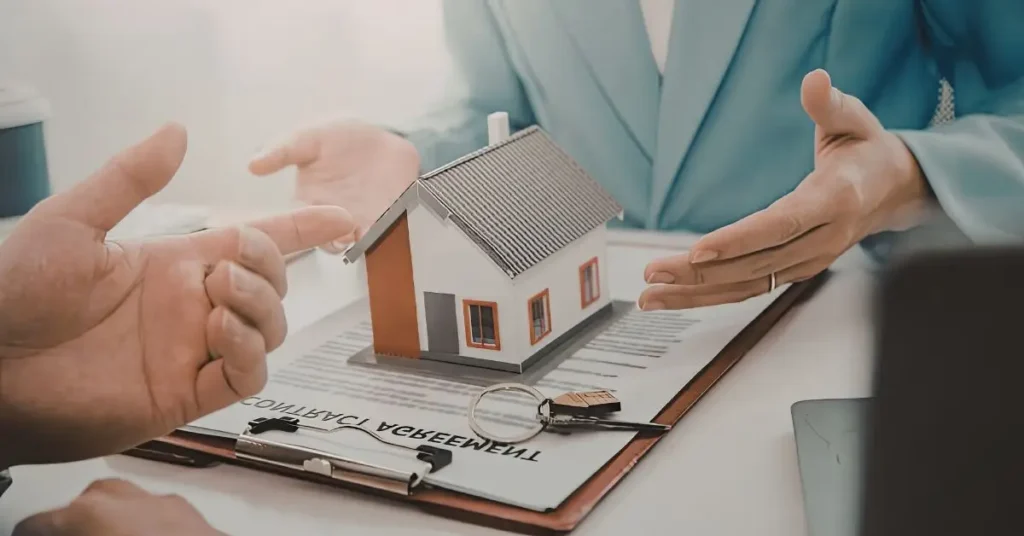
Most sellers focus on price, but the structure of the deal matters even more.
Strong vs weak offers — what really matters
The highest offer is not always the best.
A cleaner offer with fewer conditions often leads to better final profit.
If you want to understand how strong offers behave in the real market, this guide on signs your house will sell fast in today’s US market gives you a clearer picture.
Why contingencies are your biggest risk
Contingencies give buyers flexibility.
Inspection, financing, and appraisal clauses all create opportunities for renegotiation.
The more contingencies, the more risk you take on.
Appraisal gap protection strategy
You can set limits in advance.
Instead of leaving it open, define how much you are willing to adjust if the appraisal comes low.
This keeps things under control.
Build leverage into your contract
You can protect yourself through the contract.
Set a clear closing date. Add penalties for delays.
These details give you more control during the final stages.
Keep backup offers alive
This is one of the smartest moves you can make.
If you have another interested buyer, you are not desperate.
That changes how you respond to every request.
The “Last 10 Days” Trap — How Buyers Take Back Control Near Closing
This is the stage where most sellers feel safest, but in reality, this is where buyers often make their final move.
What experts call “last-minute profit failure”
In the last few days, buyers sometimes slow things down or suddenly raise concerns.
It could be financing delays, new issues, or just hesitation.
But if you understand the process, this is not random.
That timing gives buyers a chance to push for changes when you are least prepared.
Why sellers are most vulnerable here
At this point, you are mentally done.
You may have packed, planned your move, or committed to another place.
Now, any delay feels stressful.
And that stress makes you more likely to agree just to finish the deal.
How to counter this tactic
You need to prepare for this before it happens.
Set clear terms in your contract like fixed deadlines and penalties for delays. That way, the buyer cannot stretch things without consequences.
And more importantly, stay calm.
The moment you act out of urgency, you give away control.
The Power of Waiting — Why Patience Can Save You Thousands
Sometimes the smartest move is not reacting immediately.
Real example of saving $9,000 just by waiting
I have seen sellers ready to accept a large reduction instantly.
But instead of reacting, they paused.
The buyer came back with a much smaller request. That simple delay saved thousands.
Why immediate reactions cost money
When you respond quickly, you signal urgency.
And urgency weakens your position.
The buyer senses that you want the deal done fast, which makes it easier for them to push harder.
How to pause strategically
You do not need to decide instantly.
Even a simple pause like “let me review this” changes the situation.
It shows you are not desperate and gives you time to think clearly.
The Role of a Real Estate Agent — Strategic Advantage or Costly Mistake
The right agent can protect your profit. The wrong one can quietly cost you money.
How a good agent protects your profit
A strong agent understands timing, negotiation, and market behavior.
They guide you when to push back and when to agree.
They also help you understand what is normal in the process and what is not.
When agents fail sellers
Some agents focus only on closing fast.
They may encourage you to accept requests just to avoid delays.
That might help them close the deal, but it can reduce your final profit.
What to expect from a high-quality agent
You should expect strategy, not just support.
A good agent prepares you for negotiation points and helps you protect your position at every stage.
Pre-Acceptance Strategy — The Step Most Sellers Completely Skip

Most sellers think about problems after accepting an offer. But the real advantage comes before that.
What to evaluate before accepting any offer
Do not just focus on price.
Look at how strong the buyer is, how stable their financing is, and how many conditions are attached.
Because once you go under contract, the process becomes complex with inspections, appraisals, and lender checks, as explained in Fairway Independent Mortgage Corporation’s detailed closing process guide.
Those factors decide whether the deal stays smooth or turns into constant negotiation.
Why a lower offer can actually make you more money
A cleaner offer with fewer conditions often leads to fewer surprises.
That means fewer chances for the buyer to renegotiate later.
In many cases, you end up keeping more money even if the initial offer was slightly lower.
Questions to ask before saying yes
Before you accept any offer, slow down and ask yourself a few things.
Can this buyer actually close without delays?
How many chances do they have to renegotiate?
How flexible are they if issues come up?
Seller Protection Checklist
If you want to avoid losing money, you need a simple system you can follow at every stage.
Before accepting the offer
Do not rush this step.
Look beyond the price. Check how strong the buyer is, how stable their financing looks, and how many contingencies are attached.
A clean offer with fewer conditions is often safer than a higher one that can fall apart later.
After accepting the offer
This is where most sellers lose focus.
Prepare yourself for inspection and negotiation. Expect the buyer to ask for something.
Decide in advance what you are willing to fix, what you will negotiate on, and where you will say no.
That clarity will save you from reacting under pressure.
Before closing
Slow down here.
Review your final numbers carefully. Look at all credits, repairs, and adjustments that have been agreed upon.
Make sure the deal still works for you, not just for the buyer.
Key Takeaways — Protecting Your Sale vs Protecting Your Profit
Selling your home is not just about closing the deal. It is about keeping as much of your money as possible.
The 3 rules smart sellers follow
First, the offer is just the starting point, not the final result.
Second, negotiation after the offer decides how much you actually keep.
Third, preparation always beats pressure. If you plan ahead, you do not get pushed into bad decisions.
At the end of the day, you are not just selling a house. You are protecting your money.
So tell me this. At which stage do you think you would struggle the most to say no?
Also, if you want more practical strategies like this, you can explore deeper guides on my site Build Like New, where I break down real estate decisions in a way that actually helps you keep more of your money.
And if you prefer quick, real-time insights, I share those regularly on X (Twitter) and Facebook
Disclaimer: This content is for informational purposes only. Real estate laws, contracts, and costs can vary based on your location and situation. Always consult a licensed real estate agent, attorney, or financial advisor before making final decisions.