House Fire in Park Rapids Forces Residents Out, Pet Dog Killed
A house fire can change a family’s life in minutes. That is what happened in Park Rapids, Minnesota, when a Saturday afternoon fire left several residents displaced and killed one dog.
According to the Park Rapids Fire Department, crews were called at 4:08 p.m. after a report of a house fire. When firefighters arrived, they found an attached garage burning.
Three dogs were rescued, but a fourth dog was found dead inside the structure.
What stands out to me in this case is how ordinary the suspected setup sounds. Investigators found a cardboard box of chicken chicks with a heat lamp placed outside near the garage.
An extension cord ran from a garage window to power it. Officials said burn patterns suggest the fire likely started with the extension cord, though the cause has not been confirmed.
The home appears to be a complete loss after the fire spread into the attic and caused interior structural collapse. Beyond the damage, this is a painful reminder of how quickly a small household setup can turn dangerous.
Timeline of the Park Rapids House Fire Incident
If you try to picture how fast this unfolded, it’s honestly unsettling.
On Saturday at around 4:08 p.m., the fire department was dispatched after someone reported a house on fire. By the time firefighters reached the scene, the attached garage was already burning. That tells you the fire had a head start.
From there, things escalated quickly. The flames didn’t stay contained. They pushed into the attic and then spread deeper into the interior of the home.
When you look at incidents like this, the timeline is a reminder that you often don’t get “extra time” to react. It all happens in minutes.
What Firefighters Found at the Scene
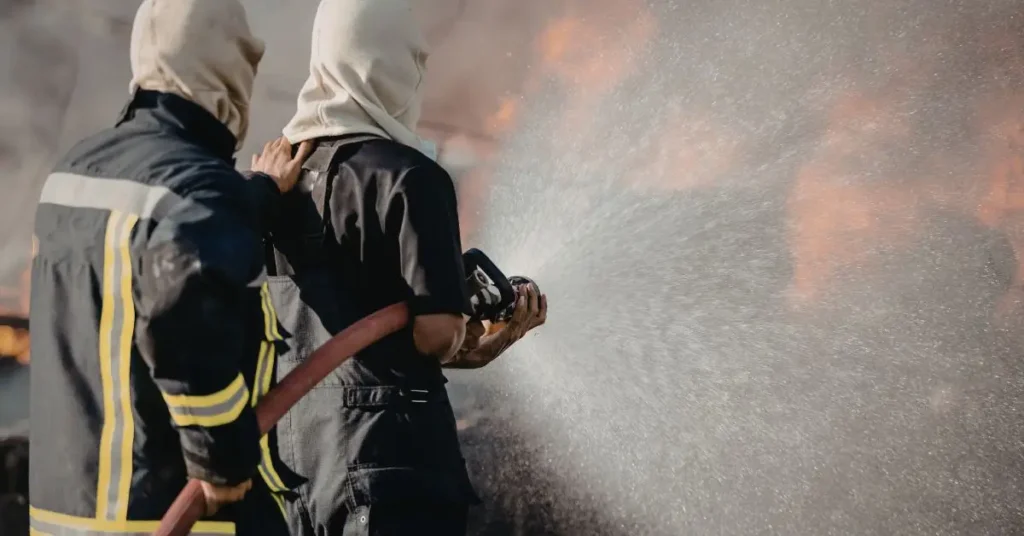
When crews arrived, they weren’t dealing with a small, manageable fire. The attached garage was already fully involved.
From my perspective, that’s one of the most dangerous starting points. Garages usually store tools, fuel, and other materials that can make a fire grow faster.
The fire didn’t stop there. It extended into the attic, which is one of the hardest areas to control once flames get in. Eventually, the structure gave way, leading to collapse inside the home.
If you read the original report from Valley News Live, you’ll notice how quickly the situation moved from a garage fire to a total structural loss.
Casualties and Rescue Efforts — Three Dogs Saved, One Lost
This is the part that hits the hardest.
There were four dogs in total. Firefighters were able to rescue three of them, which shows how fast and focused their response was. But one dog didn’t make it.
If you have pets, you already know they’re family. Losing one in a fire like this isn’t just a detail in a report. It’s a real emotional loss.
What stands out to me is how often pets become the silent victims in house fires.
Sadly, incidents like this are not rare. In one case, a person was killed in an early morning house fire in Kansas City, showing how quickly situations can turn fatal.
We don’t always think about their safety until something like this happens.
Suspected Cause — How an Extension Cord and Heat Lamp May Have Started the Fire
Now here’s where it gets even more important for you and me.
Investigators found a setup that, on the surface, doesn’t seem unusual. There was a cardboard box holding chicken chicks, placed outside near the garage. A heat lamp was being used to keep them warm.
To power that lamp, an extension cord was run through a garage window.
Based on burn patterns, officials believe the fire likely started around that extension cord. It’s not fully confirmed yet, but the signs point in that direction.
This is exactly the kind of everyday setup that most people wouldn’t think twice about. That’s what makes it dangerous.
Why Extension Cords and Heat Lamps Can Be Fire Hazards
When you break this down, it’s not just about this one incident. It’s about how common setups can turn risky without you realizing it.
Common Risks with Extension Cords
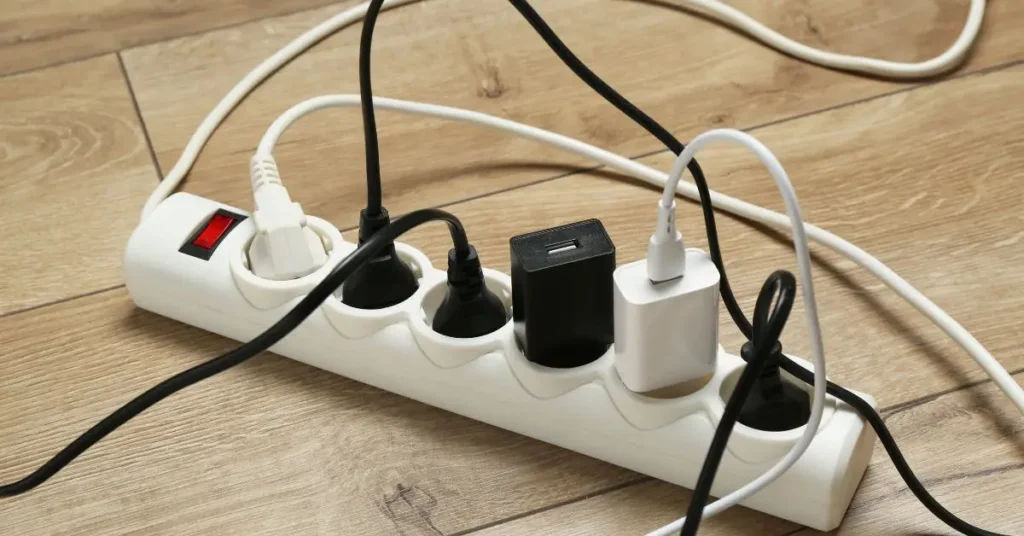
Extension cords are useful, but they’re not meant to be permanent solutions.
They can overheat, especially if they’re powering something that draws a lot of energy, like a heat lamp. If you’re using the wrong type of cord outdoors, that risk goes up even more.
Running a cord through a window might seem harmless, but it can pinch the wire or damage the insulation. That creates a perfect setup for sparks or heat buildup.
According to guidance from the National Fire Protection Association, electrical issues are one of the leading causes of house fires in the U.S.
Heat Lamps and Fire Danger
Heat lamps are designed to produce high temperatures. That’s their job.
But when you place them near something flammable, like cardboard, you’re introducing a serious risk. It doesn’t take much for that heat to ignite nearby material, especially over time.
If you step back and think about it, this wasn’t a complex failure. It was a combination of heat, wiring, and placement.
And that’s exactly why cases like this matter. They show how small, everyday decisions can have big consequences.
Extent of Damage — Home Declared a Complete Loss
By the time the fire was under control, the damage was already beyond repair.
The flames had spread into the attic, which is usually where fires become much harder to contain. Once that happens, the structure itself starts to weaken from the inside.
In this case, there was also interior structural collapse. That means parts of the home gave way, making it unsafe to enter or rebuild in any simple way.
From what we know, the property is likely a total loss.
We’ve seen similar patterns before, where a garage fire destroyed a Monticello home and left a family without shelter, proving how fast structural fires can take everything.
And if you’ve ever thought about what that really means, it’s not just walls and furniture. It’s everything inside.
Residents Displaced — What Happens After a House Fire
When a house fire happens, the immediate question is not just “what burned,” but “where do people go next?”
In most cases, families have to leave with almost nothing. Temporary shelter can come from friends, relatives, or emergency support organizations. Some may get help with hotel stays for a few nights.
But the real challenge starts after that.
In some cases, the situation becomes even more serious, like when a father was charged after a deadly Kenosha house fire involving children, showing how fire risks can lead to long-term consequences.
You suddenly need basic things like clothing, food, and a place to live, all at once.
Organizations like the American Red Cross often step in during these situations, helping families cover urgent needs in the first few days after a disaster.
If you put yourself in their place for a moment, you realize how quickly normal life disappears.
In situations like this, real-time updates often spread first through local community channels, especially on WhatsApp where people share on-ground information much faster than official reports.
Fire Safety Lessons from the Park Rapids Incident
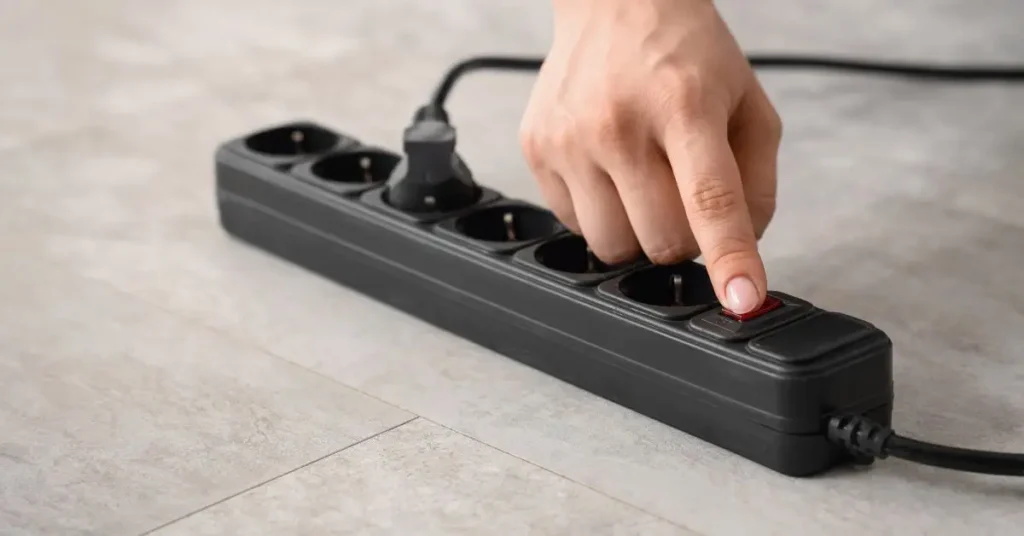
What I take from this incident is simple. Small setups can lead to big consequences if we’re not careful.
Safe Use of Extension Cords
If you’re using an extension cord outdoors, it needs to be rated for outdoor use. Not all cords are built the same, and using the wrong one increases the risk of overheating.
You should also avoid running cords through windows or doors. It might feel like a quick fix, but it can damage the wire or create pressure points that lead to failure over time.
Protecting Pets During Fires
We often plan for ourselves, but pets get overlooked.
One simple step is using pet alert stickers. These let firefighters know there are animals inside if a fire breaks out.
It also helps to keep pets in areas that are easier to access, especially when you’re not home. In an emergency, every second matters.
If you think about your own home right now, would your setup help or slow down a rescue?
Latest Updates on the Investigation
Right now, the cause of the fire is not fully confirmed.
Investigators believe the extension cord may have played a role based on burn patterns, but they are still reviewing the evidence. That means things could change as more details come in.
From experience, these investigations take time. Officials need to be sure before they give a final answer, especially in cases involving electrical setups.
If you’re following this story, it’s worth keeping an eye on updates. What seems “likely” today can become confirmed or even change tomorrow.
Key Learnings from the Incident
When I look at this case, a few things stand out that you and I can actually apply in real life.
Electrical safety is not something to take lightly. A simple extension cord setup, if done wrong, can turn into a serious hazard.
Pet safety also needs more attention than we usually give it. In emergencies, pets depend entirely on how well we’ve planned ahead.
And maybe the biggest lesson is this. Small, everyday setups like heat lamps or temporary wiring can escalate faster than you expect. It doesn’t take a major mistake, just a small oversight.
Before you leave, I’d really like to hear your thoughts.
Do you think setups like heat lamps and extension cords are riskier than most people realize, or is it more about how they’re used? Drop your opinion in the comments.
Also, if you want more real-world breakdowns like this with practical safety insights, you can check out my site Build Like New. I focus on helping you understand what actually goes wrong and how to prevent it.
I also share regular updates and similar real-life cases on X and inside the community on Facebook, where you can stay connected with more insights like this.
Disclaimer: This article is based on currently available information from official and local reports. Details may change as the investigation continues. For confirmed updates, always refer to official statements from local authorities and fire departments.