Lexington Home Fire Man Taken Into Custody Break In Incident Also Surfaces
I don’t see this as just another local fire report. When a house burns in the middle of the night and investigators say the person inside walked away without calling for help, it changes how you look at the whole situation.
In the Lexington home fire case, authorities say Jeremy Fearrington intentionally set the blaze, left the scene, and was later linked to a separate break-in before returning.
That sequence is what makes this case stand out—and raises some serious questions about what really happened.
What Happened in the Lexington Home Fire Case
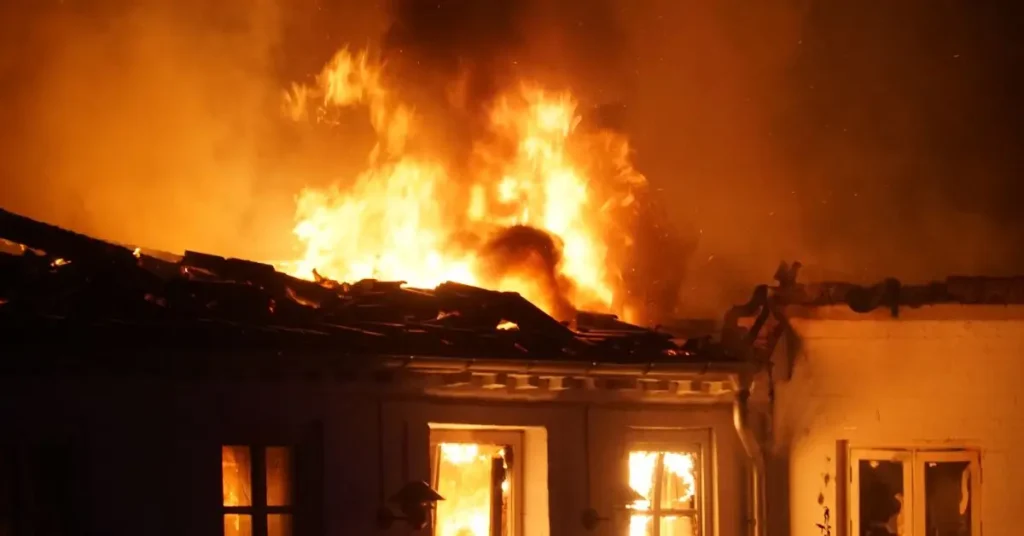
If you try to picture this, it happened around 3:48 in the morning on April 20, 2026. That’s the kind of hour when most people are asleep and completely unprepared for something like a house fire.
The incident took place at a home on N.C. Highway 150 in Lexington, where multiple fire departments responded and worked together to control the blaze.
You can look at the initial coverage from WFMY News 2 to see how the story first unfolded.
What might surprise you is that the home was unoccupied at the time, so no one was inside when the fire spread. Firefighters managed to extinguish the flames, but the situation didn’t end there.
Very quickly, this stopped being just a fire response and turned into a criminal investigation.
Key Turning Point – Suspect’s Own Statement
Here’s where things start to feel different. Investigators say Jeremy Fearrington told them he had been inside the home when the fire began, but instead of calling emergency services, he left.
If you think about it, that one decision raises a lot of questions on its own.
Put yourself in that moment. If you were inside a home when a fire started, your first instinct would be to call for help. Walking away instead is exactly why investigators began looking deeper into this case.
From an investigator’s point of view, not reporting a fire you were present for is a serious red flag. It creates gaps in the timeline and makes intent harder to ignore.
Insights from National Fire Protection Association also show that behavior right after a fire often plays a big role in determining whether it was accidental or deliberate.
Investigation Findings – Fire Was Intentional
As the investigation moved forward, officials confirmed the fire was intentionally set. That shifts the entire case from an emergency situation to a criminal act, which carries far more serious consequences.
The Davidson County Fire Marshal’s Office handled the initial investigation, carefully examining the cause and origin of the fire.
But once evidence pointed toward intentional action, the Sheriff’s Criminal Investigations Division stepped in. When you see that kind of escalation, it usually means authorities believe there is clear intent behind what happened.
Sequence of Events – Fire to Break-In Timeline
If you follow the sequence closely, it tells a much bigger story than just a fire. According to investigators, the fire was set at the home, and instead of reporting it, the suspect left the scene.
From there, things take an unexpected turn. Authorities say he drove to his girlfriend’s house in Lexington and entered the property without permission. After that, he returned to the original fire scene.
When you look at it step by step, it stops feeling random. It starts to look like a chain of decisions made within a short period of time.
And in cases like this, that sequence is exactly what investigators rely on to understand intent, behavior, and possible motive.
Separate Crime – Burglary and Unlawful Entry Explained
The break-in is not just a side detail here. It’s a separate criminal act that adds another layer to the case. Authorities say the suspect unlawfully entered his girlfriend’s home, which led to additional charges beyond the fire itself.
If you think about it, this changes how the entire situation is viewed. It’s no longer just about property damage or a fire incident. It becomes a pattern of actions happening back to back.
Based on what investigators have shared so far, the same person and timeline connect both incidents. That naturally raises the question of whether there was a personal or emotional trigger behind these actions.
And if you’re reading this closely, you’re probably asking the same thing most people are right now. Was this planned, impulsive, or driven by something deeper that hasn’t fully come out yet?
Charges Filed Against Jeremy Fearrington

When you look at the charges in this case, they’re not small or routine. Authorities have charged Jeremy Fearrington with first degree burglary, breaking and entering to terrorize, and burning of personal property.
Each charge connects to a specific part of what investigators believe happened. The burglary charge ties to the unlawful entry into another residence, while the burning charge directly relates to the fire itself.
He was booked under an eighty thousand dollar secured bond and is scheduled to appear in court on April 30, 2026. If you’ve followed similar cases, you’ll know that bond amount usually reflects how seriously officials are treating the situation.
Legal Meaning – What These Charges Actually Imply
If you’re trying to understand this beyond the headlines, the legal meaning matters. First degree burglary is considered a serious felony because it involves entering someone’s home without permission, which puts people at risk even if no one is physically harmed.
“Burning of personal property” connects closely to what the law generally calls arson. According to Cornell Law School, arson includes knowingly setting fire to property with unlawful intent, even if it’s your own property.
That’s important because it shows why this isn’t treated as just property damage. It’s considered a dangerous act that could easily put lives at risk.
Under North Carolina law, charges like these can carry serious penalties, including prison time, depending on intent and the overall circumstances of the case.
Why Suspects Leave Fire Scenes Without Reporting
This is the part where most people stop and think. Why would someone leave a fire without calling for help?
Sometimes, it’s panic. A person might not think clearly and just try to get away from the situation. But in other cases, it can suggest intentional avoidance.
Leaving without reporting can mean the person doesn’t want attention on what just happened.
From an investigative point of view, what someone does right after a fire often matters as much as the fire itself. Those decisions can reveal intent, fear, or even an attempt to hide something.
Fire Safety and Emergency Response Importance
No matter the situation, reporting a fire immediately can change everything.
If you think about how quickly things can go wrong, cases like this aren’t rare. For example, in this Soddy Daisy house fire that destroyed a home and left a family homeless situation, everything escalated within minutes.
Fires spread fast, and even a small delay can lead to much bigger damage.
And sometimes, it’s not just damage, it’s complete loss. You can see that clearly in this Perry grandmother house fire where she lost everything but managed to escape with her grandson,
which shows how unpredictable these situations can be.
Calling emergency services right away helps contain the fire early and prevents it from spreading to nearby homes. In many cases, it’s the difference between saving a structure and losing it completely.
I’ve been sharing more real-life fire cases and quick safety insights in a simple format lately, especially situations where small delays led to bigger damage. It really makes you think differently about how fast things can go wrong.
If you think about your own home, basic steps like having working smoke detectors, knowing emergency numbers, and reacting quickly can save lives.
On the flip side, small precautions can make all the difference, like in this Albert Lea house fire where smoke alarms helped a family escape safely case.
And after reading something like this, it’s worth asking yourself honestly. If you were in that situation, would you act fast enough to make a difference?
What This Case Really Tells You
When you step back and look at the full picture, the Lexington home fire case is not just about a fire or an arrest. It’s about a chain of decisions that quickly turned into multiple serious charges.
From the fire itself to the alleged break in, everything points to how fast situations can escalate when the right actions are not taken at the right time.
For you as a reader, there are two takeaways. First, understanding how these cases unfold helps you stay aware of what’s happening around you. Second, it reminds you how important quick and responsible action is, especially in emergencies like a fire.
Now I’d like to hear your perspective. Do you think this was a planned act or something that escalated out of control? Drop your thoughts in the comments and let’s discuss.
If you want more real, no-fluff breakdowns of news, legal cases, and practical insights, you can explore more on Build Like New. That’s where I go deeper into stories like this in a way that actually helps you understand what’s going on.
Disclaimer: This content is based on publicly available information at the time of writing. Details may change as the investigation continues and new facts emerge.
All individuals mentioned are presumed innocent unless proven guilty in a court of law. This article is for informational purposes only and should not be considered legal advice.