Deadly Fire in Nevada: 1 Person Found Dead Inside Burned Home
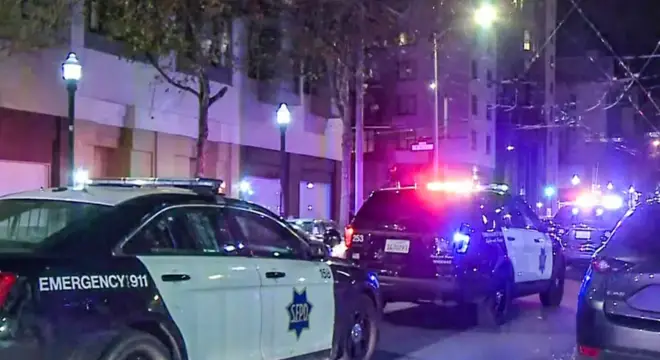
When I first read about the fire on Carol Drive in Sun Valley, the detail that hit me hardest was how fast everything unfolded. Around 1:15 a.m., deputies from the Washoe County Sheriff’s Office reached the home after a report of a possible structure fire. By the time they stepped onto the property, smoke was already pushing out from inside — a sign that the fire had been burning quietly before anyone even noticed.
You and I both know how house fires at that hour are the most dangerous. People are asleep, alarms go unheard, and help often arrives only after the flames have grown stronger. Fire crews from the Truckee Meadows Fire Protection District moved quickly and contained the blaze to that single home, preventing it from spreading to the neighboring houses. Even then, they found something no community ever wants to wake up to — a body inside the residence.
The sheriff’s office hasn’t released the identity yet, and we don’t know whether the person lived there or was visiting. What we do know is that someone’s life ended inside that home, and families in the area are now waiting for answers.
Let me pause here and ask you this: When you hear about a fire like this — early morning, quiet street, one life lost — what’s the first thing you want investigators to look into or explain?
How the Fire Response Unfolded?
When I looked into how fast the response happened, the first thing that stood out was timing. According to a report from MyNews4, deputies got the call a little after 1 a.m., which is usually the window when most house-fire deaths occur. People are asleep. Visibility is low. And even a small delay becomes life-threatening.
When deputies reached the home on Carol Drive, they saw smoke building inside. Not flames — smoke. That usually means the fire had been burning in pockets or closed rooms, which is even more dangerous because you don’t see it until it’s too late.
Fire crews from the Truckee Meadows Fire Protection District stepped in and knocked the fire down before it spread to nearby houses. You have to give them credit — in neighborhoods like Sun Valley, homes sit close together, and a few extra minutes could have turned this into a multi-structure disaster.
But even with quick containment, the worst part wasn’t the fire itself. It was what they found once the smoke cleared.
The Discovery Inside the Home
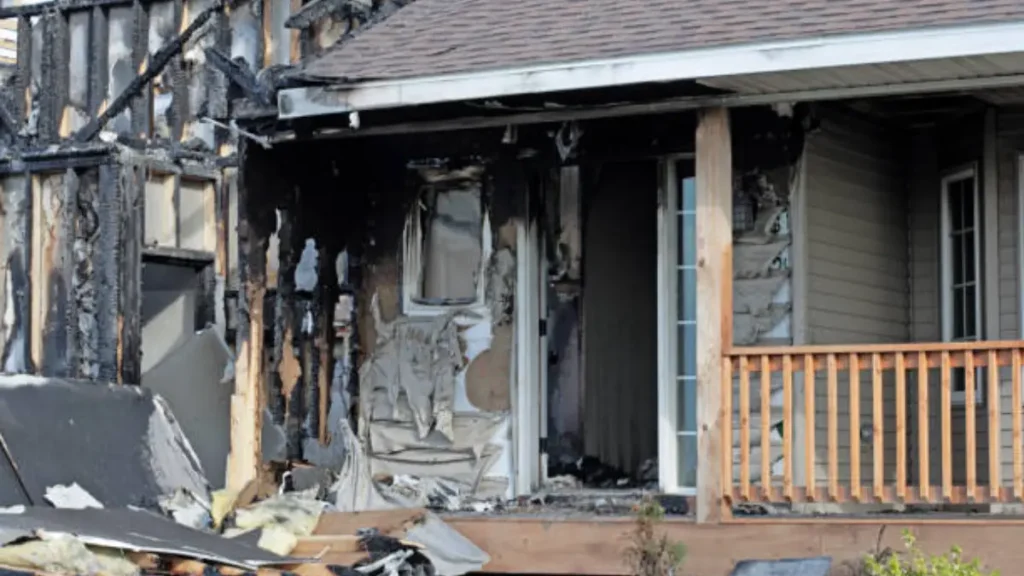
I’ll be honest — whenever investigators mention a body found “after the fire was contained,” it says a lot about the conditions inside. The smoke, the heat, the layout of the home… everything works against a person trying to escape.
Authorities confirmed that one person was found dead inside the residence. No age. No identity. No details about where exactly they were found. And that silence usually means officials want to give the Washoe County Medical Examiner’s Office enough time to verify what happened before they tell the public.
You might feel the same way I do — that the unknown is what makes these stories harder. A life ended there, and we still don’t know whose it was or what they were facing in those final moments.
It’s a painful reminder of a recent Kendall County fire where an elderly woman didn’t survive because she couldn’t get out in time.
What Investigators Are Looking Into Now
Whenever a fatal house fire happens, detectives from the Washoe County Sheriff’s Office follow a pretty focused pattern. And if you’re trying to understand where the case is heading, these are the questions they’re already working on:
- Where did the fire start? Living room? Bedroom? Kitchen? The starting point usually reveals the cause.
- Was anything out of place? Signs of forced entry, unusual burn patterns, or anything that doesn’t match a normal fire scene.
- Electrical issues vs. accidental triggers. A heater left on, a damaged outlet, a candle — or something more intentional.
- Were there working smoke alarms? This alone often determines whether someone survives.
The part I keep thinking about is the timing. Fires at 1 a.m. don’t happen by chance — they often start from something left running, something forgotten, or something unnoticed.
You probably want the same answer I do: Was this an accident, or is there more to it?
A similar pattern showed up in a recent Jacksonville house fire where crews arrived just in time to pull one person out with injuries.
Understanding the Area Where This Happened
Carol Drive sits in a quiet residential pocket in Sun Valley, the kind of place where you expect stillness at night, not fire trucks and sirens. Homes here are closer together than people realize, which is why the quick containment mattered so much.
I’ve covered enough local incidents to know that fires in smaller communities hit differently. Neighbors know each other. People pay attention when a home lights up in the middle of the night. And once word spreads that someone didn’t make it out, the whole area goes quiet in its own way.
If you live near a place like this, you probably understand how the ripple travels — first confusion, then concern, then the questions no one wants to ask out loud.
A Straightforward Fire-Safety Reminder for Nevada Residents
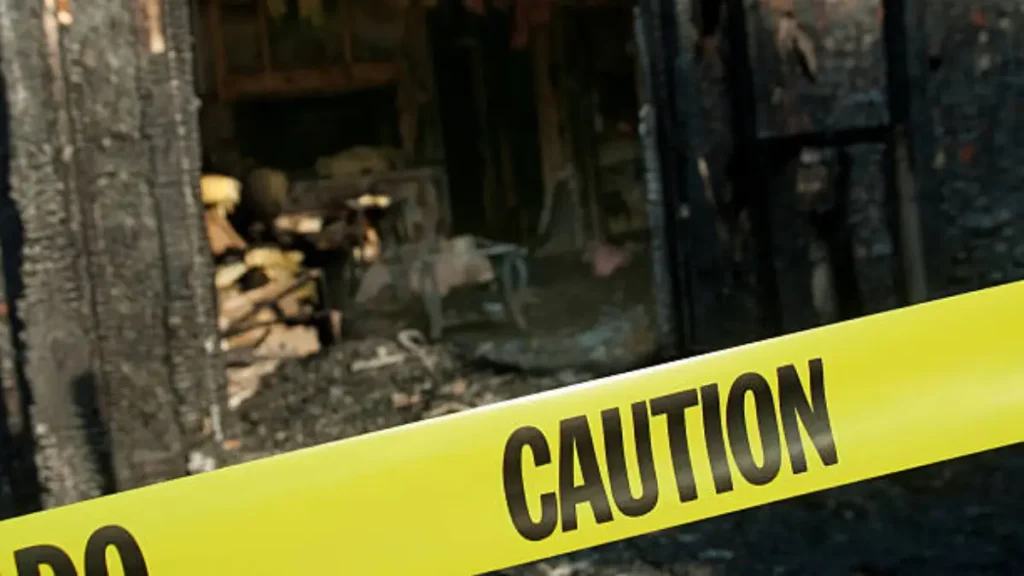
Whenever I cover a story like this, I always think about how quickly a normal night can turn into a life-threatening situation. And if you’ve lived in Nevada long enough, you know how winter temperatures push people toward space heaters, electric blankets, and closed-up rooms — the exact conditions where fires spread quietly.
So let me keep this simple and useful for you:
- Check your smoke alarms this week. Not someday — this week. Most fatal fires happen when alarms don’t go off.
- Look at how your heaters are plugged in. Space heaters should never share outlets with anything else.
- Clear anything flammable from areas near heaters, stoves, candles, or electric cords.
- Keep exits free. A blocked door becomes deadly once smoke fills a room.
If you want verified advice, organizations like the American Red Cross of Northern Nevada share seasonal safety guidelines that are actually worth following — nothing complicated, just the basics that save lives.
You and I both know that safety reminders are easy to ignore… until one night proves why they matter.
It reminded me of a recent case in Massachusetts where seven people were injured and several pets died after a late-night fire — a tough example of how quickly things go wrong when alarms fail.
What Happens Next in This Investigation
Cases like this don’t wrap up overnight. Detectives from the sheriff’s office will spend days going through debris, appliance wiring, burn patterns, and anything that might explain what started the fire.
Here’s what typically comes next:
- The medical examiner confirms the victim’s identity and cause of death.
- Investigators determine the point of origin — the exact corner, outlet, or object where the fire began.
- Officials rule out foul play or keep it open if something doesn’t add up.
- A public update is released once facts are solid enough to share.
Most people don’t realize that house-fire investigations are slow on purpose. If detectives rush, they miss things. And in a fatal fire, every detail matters — not just for closure, but to prevent the next tragedy.
If you’re waiting for answers like I am, the next update will probably come once the medical examiner finalizes their report. That’s usually the moment when everything becomes clearer.
For people who prefer quick, real-time fire updates without scrolling through news feeds, many residents follow curated WhatsApp alert channels that share verified incident reports as they happen — it’s become one of the most reliable ways to stay aware during late-night emergencies.
How the Community Can Respond and Support
When something like this happens in a close-knit area, people often feel helpless — like they want to do something but don’t know what’s appropriate. The truth is, small actions matter more than people realize.
If you live nearby, here’s what actually helps:
- Look out for neighbors, especially elderly residents who might not have working smoke alarms.
- Share official updates, not rumors. It keeps panic down and clarity up.
- Offer support if the family of the victim is identified later — even simple gestures count.
- Report anything you saw or heard around the time of the fire. Even small details help investigators.
You don’t need grand gestures. You just need to show up in the way a community should when someone doesn’t make it out of their home alive.
When a tragedy like this happens in your own area, what’s the first thing you personally feel — concern, curiosity, or the urge to help?
If you want updates on incidents like this and other safety reports I cover, you can follow the community conversations on X or join the growing group on Facebook.
Disclaimer: This article is based on information released by local authorities at the time of writing. Details may change as the investigation develops, and readers should rely on official updates. Nothing here should be taken as final until authorities confirm the full findings.