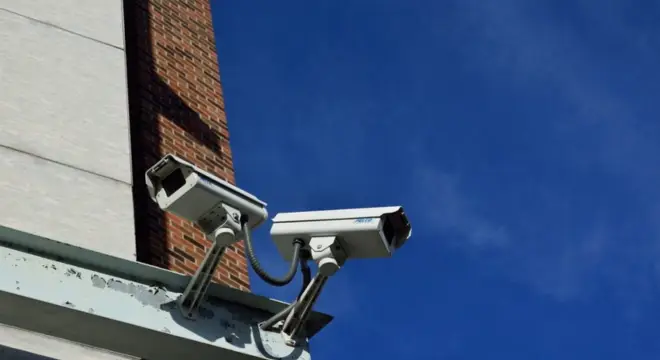
Yard Work Around Power Lines? Here’s Why You Need to Be Careful
I’ve spent years helping homeowners tackle yard projects safely, and if there’s one thing I’ve learned, it’s this: what looks like a simple trim or a weekend cleanup can turn deadly near power lines. You might think, “I’ve done this a hundred times, nothing will happen,” but the truth is, electricity doesn’t wait for mistakes. One wrong move — a ladder too close, a metal pole, or even wet ground — can be enough to send sparks flying or worse.
I want you to really picture it: you’re trimming a tree branch, the branch brushes a line you didn’t notice, and suddenly, the invisible arc of electricity jumps to your tool. That’s all it takes for serious injury. And it’s not just about you — pets, kids, even neighbors can be at risk if you aren’t careful.
In this article, I’m going to break down exactly what can happen, why certain tools and tasks are more dangerous than others, and the practical steps I’ve seen work for keeping yourself and everyone around safe. By the end, you’ll know exactly how to handle yard work near power lines without gambling with your life.
What Happens When Yard Work Goes Wrong Near Power Lines
I want you to really understand the risks before you even touch that ladder or saw. Most people assume accidents only happen if they touch a wire directly, but that’s far from the truth. Electricity can jump, or arc, through the air.
That means even if you’re a few feet away, your tool — or even your hand — can become a deadly conductor. I’ve seen reports where homeowners got badly burned from branches brushing too close to a live line, even when they thought they were careful.
Here’s what can happen:
- Electrocution & Severe Injury – Tools like metal rakes, ladders, or pole saws can complete the circuit, causing shocks that can knock you off your feet or worse.
- Arc Flashes – Sometimes the electricity doesn’t even need contact. A “near miss” can produce a sudden burst of energy called an arc flash. These flashes can severely burn skin and ignite nearby objects.
- Falls + Secondary Hazards – If you’re on a ladder or trimming a tree, a small misstep could mean falling while being electrocuted, which doubles the risk.
Even a quick yard chore can quickly turn into a life-threatening situation if you don’t respect the invisible danger overhead.
Yard Tasks That Put You Most at Risk
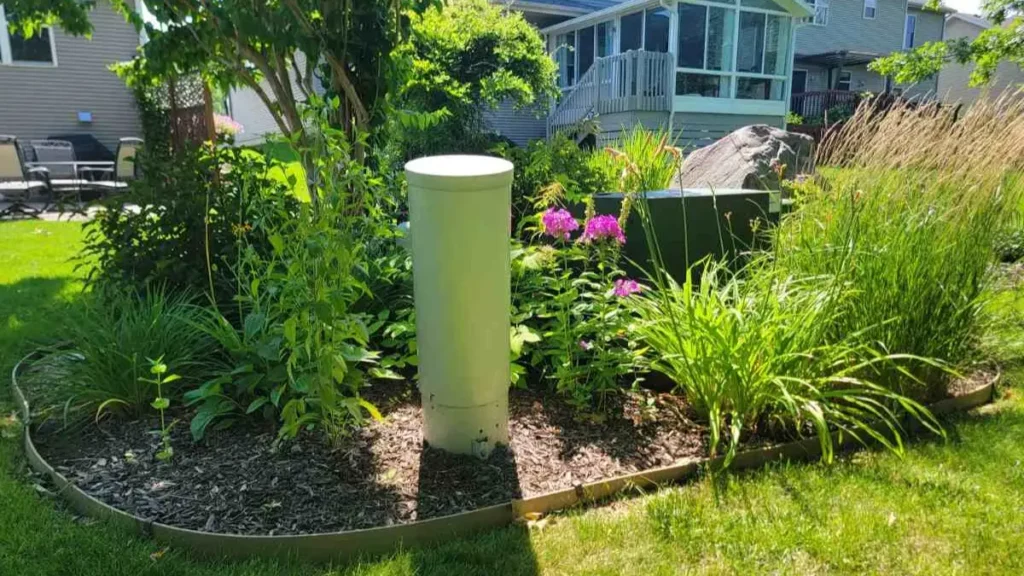
I know your weekend projects feel harmless, but some tasks are surprisingly dangerous when power lines are nearby. Here’s a breakdown of the activities I’ve seen cause the most trouble:
- Tree trimming and pruning – Especially tall trees or branches near overhead lines. A single slip or miscalculated branch swing can be fatal.
- Using ladders, pole saws, or hedge cutters – Metal tools are conductive, and even wood ladders with dampness can conduct electricity.
- Digging or planting near buried or overhead lines – You might think you’re safe, but underground utilities can be just as deadly. Always check before you dig.
- Decorating or installing garden features – Hanging lights, flags, trellises, or even bird feeders near power lines might seem safe until a sudden gust or misplaced tool brings you too close.
Every task above has a hidden danger that most guides don’t fully explain — it’s not just “stay away,” it’s knowing which movements, tools, and positions can put you in real danger.
Before trimming trees near power lines, it’s smart to know the 10 tree planting rules every homeowner must follow before planting near power lines — it can prevent future hazards and give your yard a safer layout
The Minimum Safe Distances You Must Know
When I work with homeowners, I always emphasize clear, measurable boundaries. It’s not enough to “keep away” — you need specific distances to stay safe:
- Overhead lines – Keep all tools, ladders, and your body at least 3 metres (~10 feet) away from power lines. Even small branches brushing lines can be deadly.
- Higher voltage lines – The stronger the line, the farther you need to be. Some utility guidelines recommend staying well beyond 10 feet depending on voltage.
- Buried lines – Before you dig, always call your local utility service to mark underground cables. Yellow Pages safety tips recommend contacting your local utility to ensure you don’t hit hidden electrical lines.
Think of these distances as a personal safety bubble. If you respect it, you drastically reduce the risk of electrocution or serious injury. It’s simple, measurable, and non-negotiable.
Choosing the right tree can save you headaches later — check out these 7 trees that can damage your home’s foundation and pipes before planting near utility lines.
Tools, Materials & Conditions That Increase Danger
I can’t stress this enough: the tools you use and the conditions you work in can turn a simple yard task into a nightmare. Most guides just say “stay away from lines,” but they don’t explain why certain objects and situations make electricity far more dangerous.
Here’s what you need to watch for:
- Conductive tools are deadly – Aluminium ladders, metal poles, and even some garden tools can instantly conduct electricity if they get too close to a live wire. It doesn’t matter if you’re careful — one misstep or gust of wind can make contact.
- Non-conductive alternatives – Use fiberglass or wooden ladders instead of metal. Gloves and insulated tools add an extra layer of protection. Even simple PPE, like rubber-soled shoes, can reduce risk.
- Wet ground + electricity – Water conducts electricity like nothing else. Using lawn mowers, extension cords, or standing on wet grass near lines drastically increases your chances of a serious shock.
I always tell homeowners: think of each tool, each surface, and each weather condition as a variable in a high-stakes equation. Respect them, and you’ll cut your risk dramatically.
What Experts and Communities Say About Real Risks
Sometimes the best lessons come from people who have been there. I’ve spent time reading forums, talking to electricians, and even reviewing arborist stories — and the pattern is clear: even “experienced DIYers” underestimate the danger.
- Reddit electricians & arborists – Professionals share that insulated lines can still be deadly. Utilities often remove or de-energize service lines before work, but if you try to do it yourself, you might not know which lines are safe.
- Jobsite anecdotes – Boom lifts brushing overhead lines, sparks flying, and workers having near-misses are surprisingly common. These aren’t just extreme cases; even small yard tasks can go wrong quickly.
The takeaway? Listening to experts and real experiences can save you from assumptions that are often deadly. I’ve learned more from these real-world stories than any textbook ever could.
Step‑by‑Step Safety Checklist Before You Start Yard Work
If you’re planning yard work near power lines, I want you to think in steps, not guesses. Here’s a workflow I personally follow and recommend:
- Locate all overhead and underground lines – Contact your local utility service to mark hidden lines before you dig or trim. This simple step prevents the majority of accidents.
- Measure and mark safe boundaries – Use tape or cones to define your safety bubble. Never rely on eyeballing the distance.
- Choose non-conductive tools – Fiberglass or wooden ladders, insulated gloves, and rubber-soled shoes make a big difference.
- Plan for weather and wet conditions – If the ground is damp or it’s raining, postpone work. Electricity + water is always a high-risk combination.
- Decide: DIY or call a professional – If a tree is too close to a line, or if you’re unsure of distances, hire a certified arborist or utility worker.
- Emergency plan – Know what to do if there’s contact: stay calm, call emergency services immediately, and never touch a downed line yourself.
Follow this checklist, and you’re not just being safe — you’re taking control of a situation that many people underestimate.
If you want quick tips and updates while you work in your yard, I often share practical safety reminders on my WhatsApp updates — you can follow along to stay on top of yard work safety.
When to Call a Professional (and Who to Call)

I get it — DIY feels empowering, but some situations aren’t worth the risk. Here’s when I always recommend calling in a pro:
- Certified arborists for tree work near lines – If branches are within the utility’s clearance limits, a utility-certified arborist knows how to trim safely without putting you at risk. (WSPS)
- Electric utility first – Before any trimming or decorating, contact your local electric company. They can de-energize lines or guide you safely.
- Licensed electricians – For structural or electrical installations in your yard, a pro prevents accidents you might not anticipate, like buried conduit or wiring near trees.
I always tell people: knowing when to step back and let someone else handle it can save you from a life-changing mistake. It’s not about being lazy — it’s about being smart and safe.
Hidden Dangers People Overlook
You might think “I’m careful enough,” but there are hazards most guides completely miss. Here’s what I keep in mind:
- Underground power lines – Digging without calling your local utility first is a hidden killer. Even shallow planting can strike buried lines.
- Downed power lines after storms – Never assume a fallen line is dead. Treat all wires as live and keep kids and pets far away.
- Trees touching lines during bad weather – Wind or ice can bring branches in contact with lines without warning.
- Children & pets in yard work zones – They move unpredictably, so always make the work area off-limits until the job is safely finished.
Understanding these hidden dangers helps you plan better and avoid mistakes most people don’t even think about.
Visual Markers & Yard Planning Best Practices
Planning isn’t just about safety — it also makes your yard work more manageable. Here’s how I do it:
- Map your power line locations – Draw or mark both overhead and underground lines on your yard plan.
- Flag safe zones – Use brightly colored tape or cones to define areas where tools, ladders, or decorations can safely go.
- Garden design away from utility paths – Keep flower beds, trellises, and patios at a safe distance from power lines.
A little planning upfront makes yard work safer and helps prevent accidents you can’t afford.
Even small landscaping choices matter: learn which trees to avoid near hardscapes with this guide on 5 trees that can destroy your driveway and damage your car.
Safety Myths vs Reality
Some misconceptions put people at serious risk. I like to bust them head-on so you know the truth:
- Myth: Insulation makes touching lines safe – Even insulated lines can shock or kill if damaged or wet.
- Myth: Only direct contact electrocutes – Electricity can arc, meaning you don’t need to physically touch a wire to be injured.
- Myth: Power lines aren’t dangerous if you don’t see sparks – Invisible hazards exist; arcing, voltage differences, and weather can create sudden danger.
Knowing the reality keeps you alert and prevents overconfidence — which is often what leads to accidents.
Power Line Safety Data & Stats
Numbers can be alarming but also motivating. Here are a few key insights I always keep in mind:
- Hundreds of electrocution accidents occur annually in North America during yard work near power lines.
- Tree trimming, ladder accidents, and digging near lines are consistently the most common scenarios.
- OSHA and other government safety standards strongly emphasize professional intervention when lines are within reach.
Sharing and understanding this data helps you take hazards seriously — not just in theory, but in real action.
Safety First — Don’t Risk Your Life for Yard Work
If there’s one thing I want you to remember: no yard project is worth your life.
- Call professionals when needed.
- Keep kids and pets out of danger zones.
- Contact local utility safety lines (like 811 in many regions) before digging or trimming.
- Always respect the safe distances and safety bubble you’ve mapped.
I’ll leave you with this: imagine a weekend project going perfectly versus a single slip near a live line. Which scenario do you want to remember? Safety first, every time.
For more practical tips, updates, and safety guides, follow me on X and join our Facebook group — it’s a place where homeowners share advice, ask questions, and stay safe while taking care of their yards.
Disclaimer: This article is for informational purposes only and does not replace professional advice. Always follow local safety regulations and contact certified professionals when working near power lines. The author is not responsible for any accidents or damages resulting from DIY yard work.