Wildfire Season 2026 Starts Earlier Than You Think. Here Are 5 Ways to Protect Your Home
Most people think wildfire prep is something you handle in August. After the smoke shows up. After the alerts start.
That window is already closed for 2026.
AccuWeather forecasts between 5.5 and 8 million acres burned this year. The National Interagency Fire Center confirmed above-normal fire potential across the South, Plains, and West.
Officials are openly saying fire season is no longer a summer event. It starts earlier, burns harder, and now reaches areas that never used to see this.
If your home is not ready before June, it may not matter that you tried.
Why This Year Feels Different
The same tips repeat every season. Clear some brush. Have a bag ready. Call your insurance company.
What nobody talks about is the structural shift happening right now.
More than 40% of the U.S. entered spring 2026 under drought conditions. Snowpack in Northern California dropped from 75% of normal to under 30% in a single month.
Washington officials reported that 40% of last year’s fires started west of the Cascades, an area historically considered low-risk.
The Thing Most Homeowners Get Wrong
Most people picture a wall of flames heading for the house.
That is not how homes burn.
Most homes are destroyed by embers — tiny burning fragments that travel over a mile ahead of a fire. They land in clogged gutters. They enter through open attic vents. They settle under decks and smolder for hours before anyone notices.
The 2025 Palisades fire confirmed it. Most homes that burned were not touched by direct flame. They were ignited by ember accumulation. One unscreened vent. One gutter full of leaves. One gap.
That is the real threat model. Everything below addresses it.
5 Things Your Home Needs Before June
1. Clear Zone 0 — The 5-Foot Rule Nobody Follows
Zone 0 is the 0 to 5-foot band directly around your home’s walls. CAL FIRE calls it the ember-resistant zone. It is the single most impactful area you can address this weekend.
Remove everything combustible. Potted plants, wood mulch, welcome mats, stacked firewood near the wall. Replace mulch with gravel.
Clear under decks completely. Most prep content skips this zone entirely. It is where homes actually ignite.
2. Seal Your Vents (Costs Less Than a Tank of Gas)
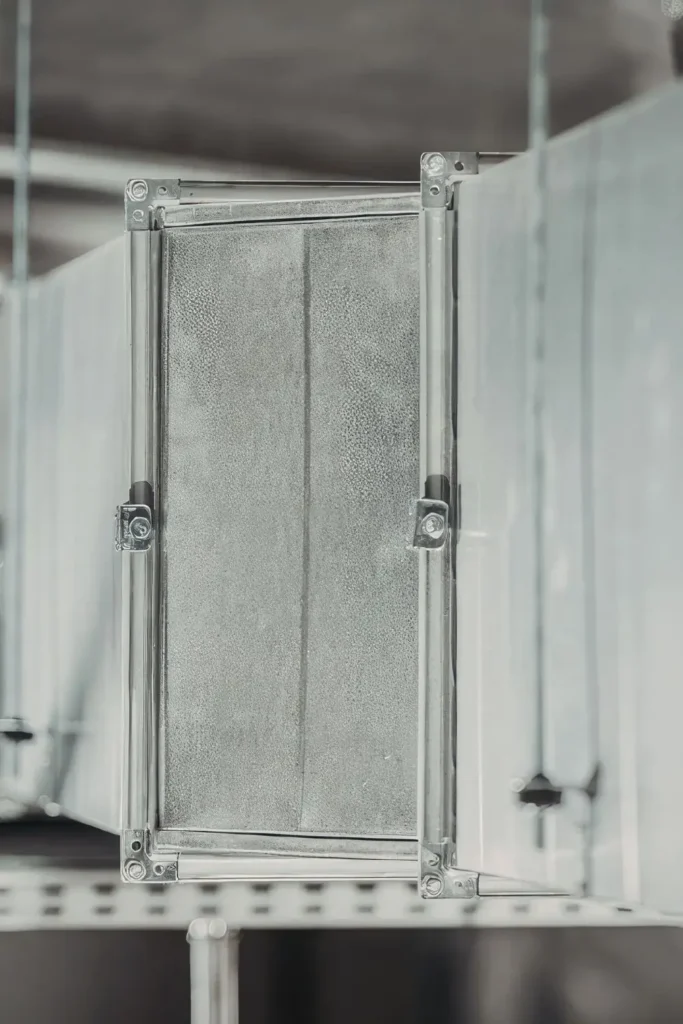
Standard attic and foundation vents are wide enough to let embers pass directly into your home’s structure. Ember-resistant vent covers with 1/8-inch metal mesh fix this.
Cost is typically $10 to $50 per vent. California’s FAIR Plan now offers insurance discounts for homes that install them. It is the most cost-effective hour you will spend this spring.
3. Gutters and Roof — Where Embers Land First
If your gutters are full of dry leaves and pine needles, you have left a fire-starting kit sitting above your walls.
Clean gutters before June. Check roof corners and valleys for debris. If your roofing is wood shake or untreated shingle, that is a serious vulnerability to flag now.
Class A-rated materials — asphalt shingles, tile, metal panels — are the standard. Not every home has them.
For more on how fire reaches residential structures in ways most homeowners miss, this fire disaster prevention report from KGW is worth reading.
4. Windows and Doors — Radiant Heat Arrives Before Flames Do
Single-pane glass shatters under radiant heat before any flame touches it. Double-pane tempered glass provides roughly four times the resistance.
For doors, check the weatherstripping on every exterior entry right now. If it is cracked or compressed, a $15 replacement kit takes 20 minutes to install and blocks ember entry. Do not wait for the perfect upgrade. Handle the gap first.
5. Go-Bag and Digital Documents
This is what most wildfire prep articles skip. It is also what survivors say they wish they had done.
Build your go-bag now: medications, IDs, cash, insurance documents, deed copy, chargers, three days of clothing. Store digital copies of key documents somewhere you can access from any device.
The 2025 LA fires produced over $20 billion in insured losses. A significant share of those homeowners were underinsured or could not locate documentation when they needed it. That is a preventable problem.
The stories from Brantley County’s fire season are a sharp reminder of why document prep is not optional — it is the one thing fully within your control when everything else is not.
Why This Matters
Every dollar spent on home hazard mitigation saves more than $4 in future costs, according to the National Institute of Building Sciences — and up to $15 when focused specifically on fire-resistant upgrades.
The USDA’s 2026 Wildfire Readiness Memorandum puts it plainly: federal readiness is at its strongest, but homeowner action is the other half of the equation.
Washington state spent $300 million fighting fires in one season. They restored $120 million in prevention funding because prevention is cheaper at every scale.
The upgrades in this article cost a few hundred dollars at most. The cost of losing a home has no ceiling.
If you want to understand what communities that were not ready actually went through, this coverage on South Georgia and Florida wildfires is hard to read and worth every minute.
For ongoing wildfire updates and fire weather alerts as the season develops, the Wildfire Preparedness community on WhatsApp is one of the more reliable places tracking ground-level information right now.
The homes that survive wildfires are not lucky. They are prepared.
The threat is real, the timeline is short, and most of this work takes a single weekend.
Which of these 5 things does your home still need? Drop it in the comments below. Real answers from real homeowners help everyone reading this.
For more home resilience and fire-season content, follow Build Like New on X and the Build Like New Facebook group.
Disclaimer: This article is for informational purposes only. Consult your local fire department or state forestry agency for jurisdiction-specific requirements.