Decluttering Experts Reveal 7 Things Most Homes Have Too Many Of
I’ve spent years helping people organize their homes, and one thing never fails to surprise me: we all keep far more stuff than we actually need. You walk into a kitchen, a closet, or even a living room, and suddenly it hits you—how did all this accumulate? From mugs you never drink from to clothes still hanging with the tags on, most of us are carrying around items that just take up space.
In this article, I want to show you seven everyday things professional organizers say people hold onto way too much. But more than just a list, I’ll dive into why we keep these items, what it really costs us emotionally and practically, and how you can take simple, real steps to lighten the load. By the end, you won’t just see what’s cluttering your home—you’ll understand it and feel ready to make meaningful changes.
Why We Accumulate Too Much Stuff (Expert Insight)
I’ve noticed that most of us don’t just collect items randomly—we hold onto things for very human reasons. A few patterns keep repeating in homes I’ve helped organize:
- Emotional attachment: That sweater from college or the mug from a friend isn’t just an object—it’s a memory. Letting it go feels like losing a part of your story.
- “Just in case” mindset: You keep gadgets, containers, or clothes thinking, “I might need this someday.” Often, that “someday” never comes.
- Social pressures: Gifts, trends, or even what friends are buying can nudge us to accumulate things we don’t really use.
Professional organizers and psychologists agree that understanding why we keep stuff is just as important as deciding what to declutter. Harvard’s research on hoarding and organizational behavior explains how these habits form and why breaking them takes awareness and small, deliberate steps.
#1 Clothes and Shoes
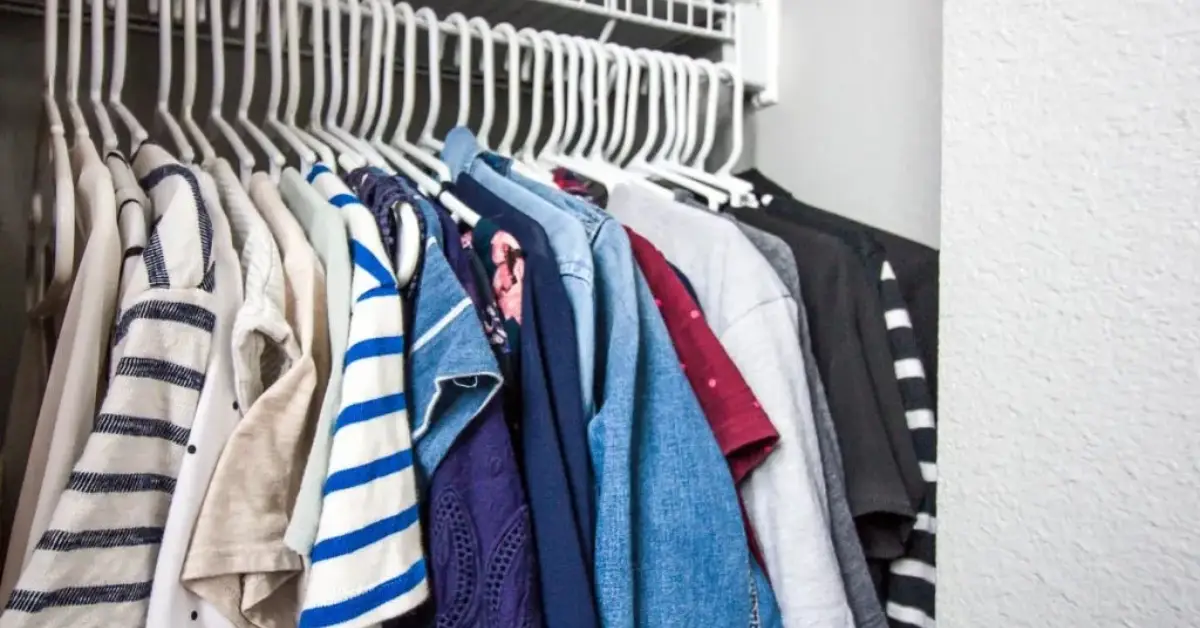
Clothes and shoes are one of the most common categories I see overflowing closets. Here’s why:
- Emotional attachment: That dress or pair of shoes represents a memory, a goal, or a version of yourself you’re not ready to let go of.
- “Someday I’ll wear it”: Many items sit untouched for months or even years because we hope we’ll fit into them or wear them for a special occasion.
Organizer’s tips to fix this:
- Apply the 1-year rule: If you haven’t worn it in the past year, it’s probably safe to donate or sell.
- Use a closet edit strategy: Pull everything out, categorize by type, and keep only what sparks daily use or joy.
If you want a step-by-step guide on how to finally declutter your wardrobe and take control of your closet, check out our 3 simple steps to declutter your clothes.
This approach not only frees up space but also makes getting dressed easier and more intentional. On Reddit, decluttering enthusiasts often share before-and-after closet photos that show just how transformational this can feel.
#2 Mugs, Glasses, and Drinkware
If your cupboards are overflowing with mugs, you’re not alone. I’ve seen kitchens where every cabinet hides a story:
- Sentimental mugs: A gift from a colleague, a souvenir from a trip, a mug your child made in school—each one tugs at your emotions.
- Gift culture: Holidays, birthdays, and office exchanges can leave us with multiples of the same item.
How professionals handle this:
- Limit yourself to a daily-use number—say, 4–6 mugs that actually get used.
- Donate extras to shelters or community centers so they find a purpose instead of gathering dust.
By keeping only what you genuinely use, your kitchen feels organized, and you actually enjoy the items you keep.
#3 Plastic Containers With Missing Lids
If you open most kitchen cabinets, you’ll likely see a jumble of plastic containers and lids that don’t match. I’ve helped clients tackle this, and it’s always the same frustration.
- Messy cabinets: Containers stacked haphazardly, making it hard to find what you need.
- No storage system: Lids scattered, boxes nested poorly, and a general feeling of chaos.
Organizer’s system to reduce clutter:
- Stick to matching sets—it makes stacking and storing simpler.
- Use lid storage solutions like vertical racks or clear bins to keep everything accessible.
Professional organizer blogs and sites like The Sun’s decluttering guides show before-and-after pantry transformations that are incredibly motivating.
#4 Kitchen Gadgets and Specialty Tools
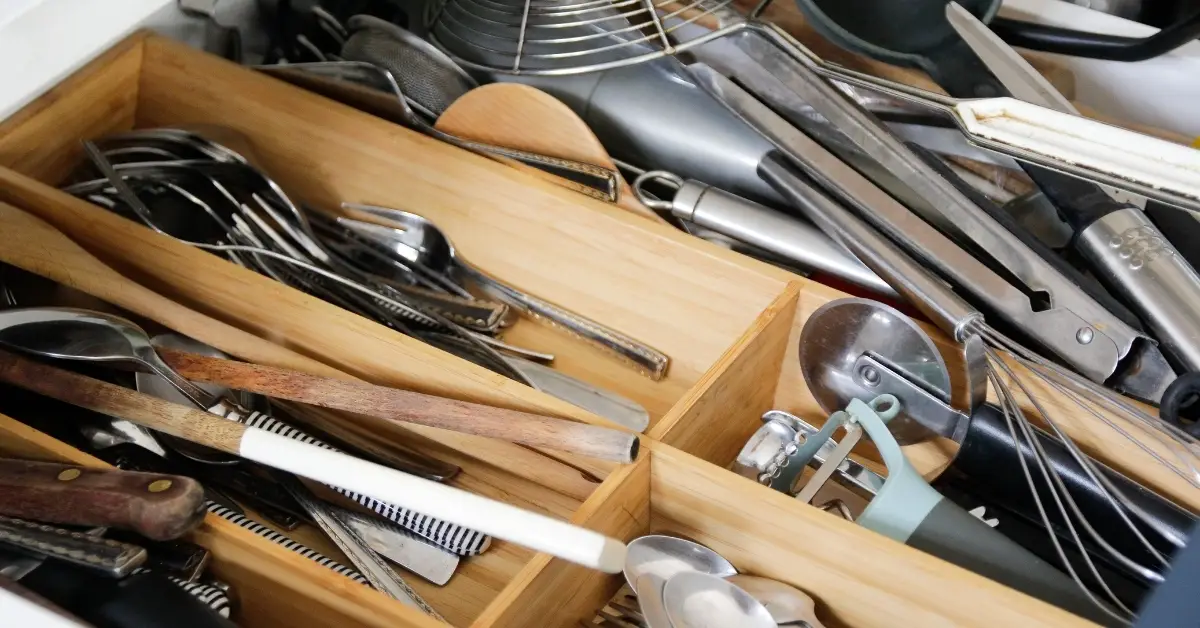
Kitchen gadgets are fun to buy, but over time they can overwhelm your counters and drawers. I’ve seen clients with multiple avocado slicers, spiralizers, or air fryer accessories that never see the light of day.
- Impulse buys: That trendy gadget seemed essential in the store but rarely gets used.
- Fads and trends: Accessories come and go, leaving clutter behind.
Pro decluttering rule:
- Keep one gadget per function. If you don’t use it regularly, it’s time to donate.
- Simplifying your collection reduces decision fatigue and keeps your kitchen functional.
#5 Books You Aren’t Going to Re-read
Books are tricky because they carry both sentimental and intellectual weight. I’ve seen clients with shelves packed full of unread books, which can feel overwhelming.
- Sentiment vs reality: You feel guilty letting go of a hardcover you bought years ago but never read.
- Bookshelf full but unread: Many of us hold onto more than we actually read.
Organizer’s approach:
- Keep books that reflect your identity today—those you reference, re-read, or genuinely love.
- Donate or swap the rest, giving them a second life with someone else.
This method keeps your collection meaningful and makes your shelves feel lighter and more intentional.
#6 Paper Clutter & Old Documents
Paper clutter is a hidden stress source that most people don’t even notice until it piles up. I’ve walked into offices and kitchens where stacks of papers cover every flat surface—it’s exhausting just to look at.
- Fear of losing important things: Bills, receipts, school paperwork—letting go feels risky.
- Old habits: We tend to keep papers “just in case,” even if we never refer to them.
What pros recommend:
- Digitize: Scan important documents so you can safely recycle the originals.
- Shred old papers: Protect yourself from identity theft while reducing clutter.
- Filing system: Keep a small, organized set of physical documents you truly need.
Before moving or reorganizing, it’s smart to read 3 things you must declutter before moving and what to do with them, so you don’t carry unnecessary clutter into a new space.
#7 Sentimental Items That Don’t Bring Joy
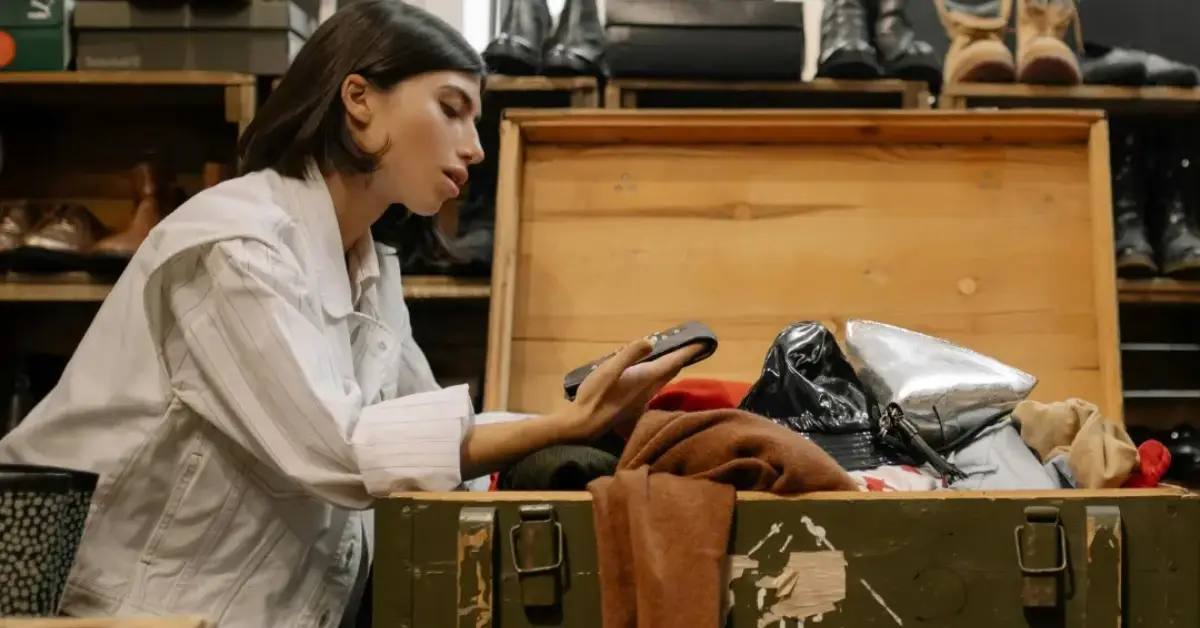
Sentimental items are tricky because guilt and memories can hold us hostage. I often hear clients say, “I can’t get rid of this; it reminds me of my grandmother.”
- Guilt and memory triggers: Items tied to relationships, milestones, or events can feel impossible to let go of.
- Overcrowding: Too many sentimental objects weigh down shelves, drawers, and closets.
How organizers help clients let go:
- Preserve memories digitally—take photos or scan keepsakes.
- Keep only items that truly spark joy or are actively meaningful.
- Consider passing objects along to family members who will treasure them.
Quick Decluttering Checklist (Pro Framework)
Sometimes, the hardest part is knowing where to start. I like giving people a quick, actionable framework you can follow in 15 minutes:
- 15-minute room scan: Pick a room and quickly identify clutter hotspots.
- Decision rule: Donate, recycle, or trash—avoid indecision.
- Daily clutter habit: Spend 5–10 minutes each day keeping spaces under control.
This checklist gives structure and momentum, making decluttering feel doable rather than overwhelming. You can also try the 10-10 decluttering method, which is one of the simplest ways to tidy your home in just a few minutes each day.
Mistakes People Make When Decluttering
I’ve noticed a few recurring mistakes that trip people up, even with the best intentions:
- Starting without a plan: Wandering around aimlessly often leads to frustration and incomplete decluttering.
- Focusing only on looks, not systems: Tidying a drawer is temporary if there’s no system to keep it organized.
To avoid these pitfalls, plan your approach, focus on categories, and create systems that last. For practical guides and inspiration, you can also check Real Simple’s decluttering advice, which provides step-by-step ideas that complement professional insights.
How to Keep Less Stuff in the Future
Decluttering isn’t just a one-time task—it’s about building habits that prevent clutter from creeping back in. I’ve found that small, consistent actions make the biggest difference:
- Adopt habits professionals recommend: Regularly scan your spaces, return items to their proper place, and donate things you no longer use.
- Set boundaries with gifts and purchases: Be mindful of what you bring into your home. Ask yourself, “Do I really need this?” before buying or accepting items.
By making these habits part of your routine, you create a home that feels lighter, calmer, and more intentional.
Conclusion
Living with less stuff doesn’t mean depriving yourself—it means creating space for the things that truly matter. By understanding why we hold onto items, tackling categories systematically, and building sustainable habits, you can transform your home and your mindset.
I’d love to hear from you: Which category of items do you find hardest to let go of? Share your thoughts in the comments below, and don’t forget to visit Build Like New for more tips on decluttering, organizing, and designing spaces that feel fresh every day.
Disclaimer: The tips and advice shared in this article are for general informational purposes only. Results may vary depending on individual circumstances, and the content is not a substitute for professional financial, medical, or legal advice.